They are the same idea from two different eras. CF, the Certificate of Fitness for Occupation, was issued by the local authority. CCC, the Certificate of Completion and Compliance, is issued by the architect or engineer who submitted the plans. CCC replaced CF for new projects in Peninsular Malaysia on 12 April 2007. An older factory, warehouse or shop lot will hold a CF, and that is correct for its age, not a defect.
This comes up on almost every older industrial unit I walk through. Someone sees "CF" on a document, remembers hearing that CCC is the current one, and assumes there is a problem.
Usually there is not. But there are three things underneath this that genuinely matter, and they are not the ones people ask about.
What changed in 2007, and why
Under the old system the local authority issued the CF. The developer submitted Form E, the council coordinated the technical agencies, and the certificate came from the council at the end.
It was slow. Buyers routinely took vacant possession of buildings they could not legally occupy or renovate because the CF had not been issued, and the delays were rarely about the building itself.
The Street, Drainage and Building (Amendment) Act 2007 came into force on 12 April 2007 and moved the certification to the private sector. The certificate is now signed by the Principal Submitting Person, or PSP, the registered architect, professional engineer with a practising certificate, or registered building draughtsman who submitted the plans in the first place.
So is an old CF a problem?
No. This is the part worth being clear about.
A building lawfully certified before the changeover keeps its CF. There is no requirement to convert it, and nobody reissues it as a CCC. A 1998 factory with a valid CF is in the same position as a 2015 factory with a valid CCC.
The Amendment Act also carried saving provisions, so projects already approved or already under construction at the changeover continued under the old CF route. That is why you still see CFs issued after April 2007 on buildings whose plans predate it.
The question is not "CF or CCC". It is "is there a valid certificate, and does the building still match the plans it was certified against".
Almost every real problem I have seen on an older industrial unit is the second half of that sentence, not the first.
What the CCC actually certifies
The PSP is not simply signing to say the building looks finished. Under the by-laws the certificate can only be issued once the technical conditions imposed by the local authority are met, the supporting stage certifications are in hand, and the essential services are actually in and connected.
Those essential services are the ones that involve outside agencies:
| Service | Who confirms it |
|---|---|
| Electricity supply | TNB |
| Water supply | The state water authority |
| Sewerage connection | Sewerage services department |
| Lifts and machinery, where applicable | JKKP |
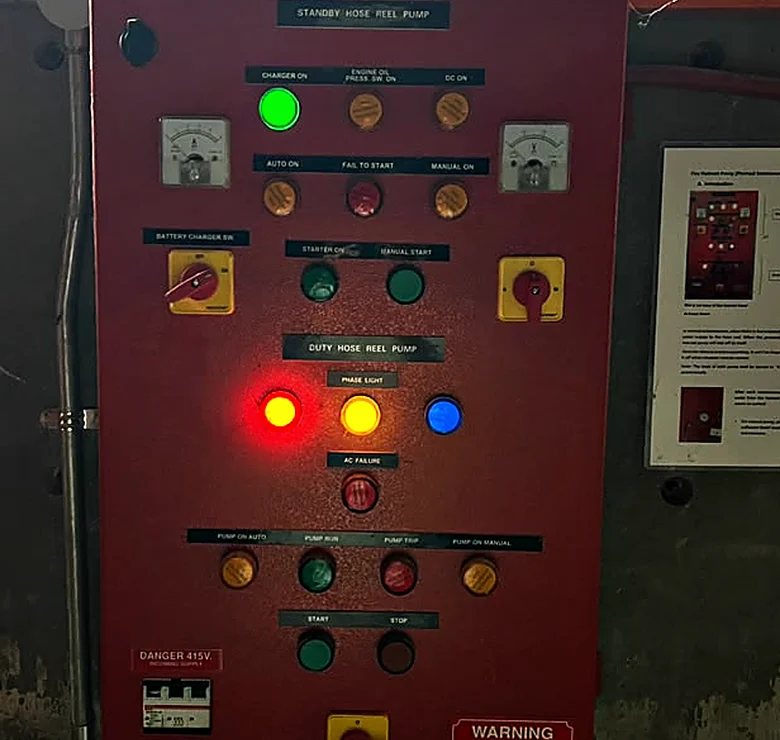
| Active fire fighting systems | Bomba |
| Roads and drainage | Local authority |
For an industrial building that list is not paperwork. It is the difference between a unit you can switch on and a unit you cannot.
Form F, Form F1, and the Form G chain
If you are handed documents, these are the names you will see.
Form F, or Borang F, is the CCC. That is the certificate itself.
Form F1 is partial certification, used where part of a building is certified separately from the rest.
Forms G1 to G21 are the stage certifications underneath it. Each one covers a specific element of the works, signed by the qualified person responsible for that element as construction progresses. The PSP cannot issue Form F until that chain is complete.
Only the PSP can sign Form F or F1. The G forms are signed by the submitting persons for each discipline.
Occupying without one is an offence, and it reaches tenants
This is the part most people assume is a developer problem.
It is not. Occupying a building, or permitting it to be occupied, without a CCC is an offence under the Act. The wording is wide enough to reach purchasers, tenants, occupiers, owners and trustees, and the 2007 amendment raised the penalties considerably.
So if you are taking a lease on a unit in a newer scheme and the CCC is not yet issued, that is not a paperwork detail to sort out later. It is your exposure, not only the landlord's.
The CCC is not a fire certificate. These get confused constantly.
On industrial premises this is the single most common mix-up, and it matters more than the CF and CCC question that brought you here.
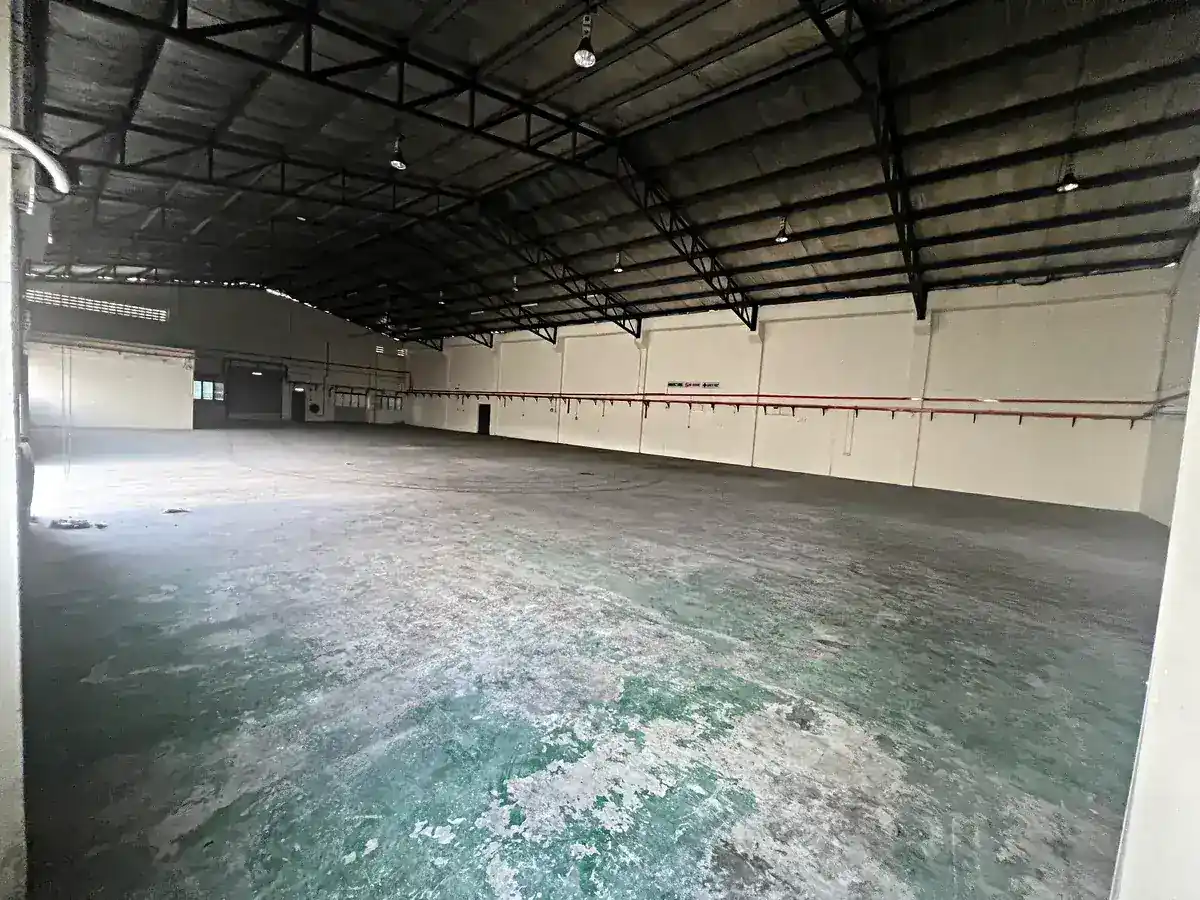
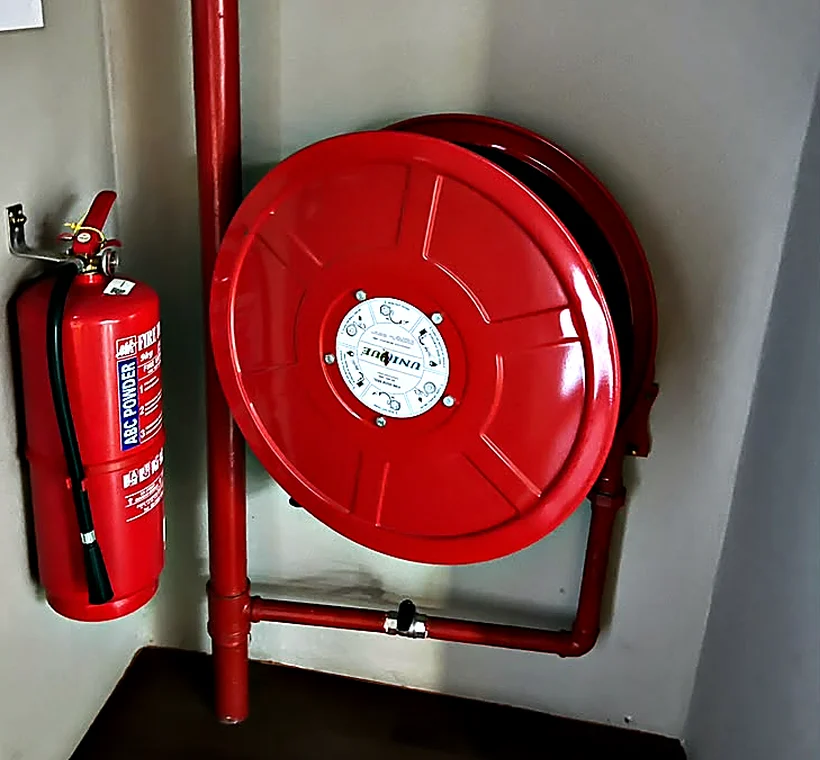
Bomba clearance for the active fire fighting systems is an input to the CCC. It happens once, at completion, and it confirms the systems were installed and accepted.
A Fire Certificate under the Fire Services Act 1988 is a separate, ongoing document for designated premises, and it is renewed annually after inspection.
The consequence is simple and people miss it: a building can hold a perfectly valid CCC and a lapsed Fire Certificate at the same time. One says the systems were installed years ago. The other says somebody has checked recently that they still work.
On a warehouse with racking, a sprinkler system and a hydrant ring, the second document is the one I would want to see dated.
What usually goes wrong is what happened afterwards
The certificate describes the building on the day it was certified. It says nothing about the ten or twenty years since.
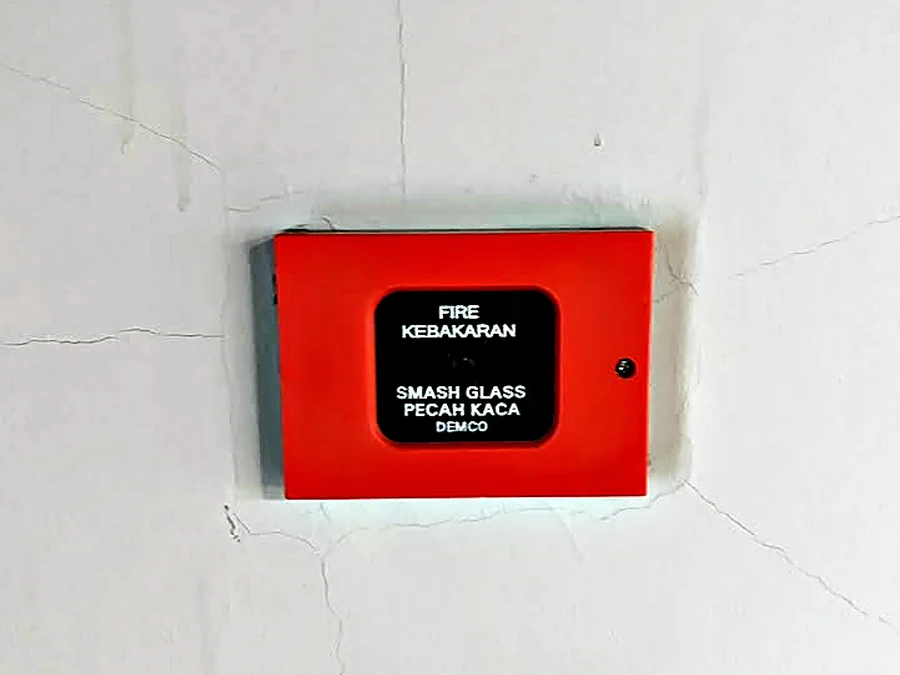
On older industrial and commercial units, the things that show up are almost always additions:
- A mezzanine floor put in for storage or an extra office
- The office block extended forward into the car park or yard
- A canopy or covered loading area built off the back
- A rear extension where the original building stopped
- On shop lots, the back portion enclosed, or an air well covered over
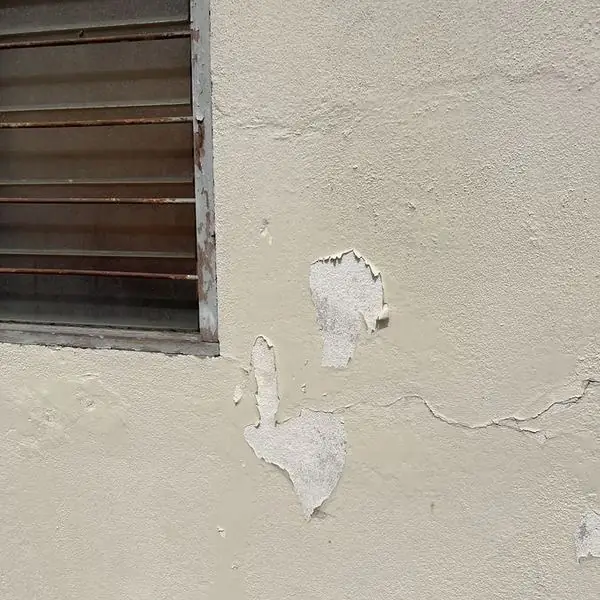
Some of these were approved. Many were not. An unapproved structure is not automatically catastrophic, but it is a real liability: local authorities can require reinstatement, it complicates financing and insurance, and it becomes your problem at the next sale, not the seller's.


Do the comparison nobody does. Ask for the approved building plans, then walk the building with them in your hand.
You are not looking for anything subtle. You are asking one question at each addition: is this on the plan? A mezzanine, an extension and a covered yard are visible in thirty seconds each.
Shop lots and commercial units
The same law applies, with two differences worth knowing.
Certification is often for the whole block, not your lot. A row of shop lots is typically certified as one development. The certificate you are shown may cover the block, which tells you about the original construction and nothing about what the previous three tenants did inside your unit.
Change of use is the recurring issue. A unit certified and approved as a shop or office, then run as a workshop, a kitchen, a childcare centre or storage, may be operating outside both its approved use and its land use category. That is separate from the CCC and it is checked separately, through the local authority and the land title.
The building certificate answers "was this built correctly". It does not answer "am I allowed to do this here". Those are two different questions and they have two different sources.
Sabah and Sarawak are not the same
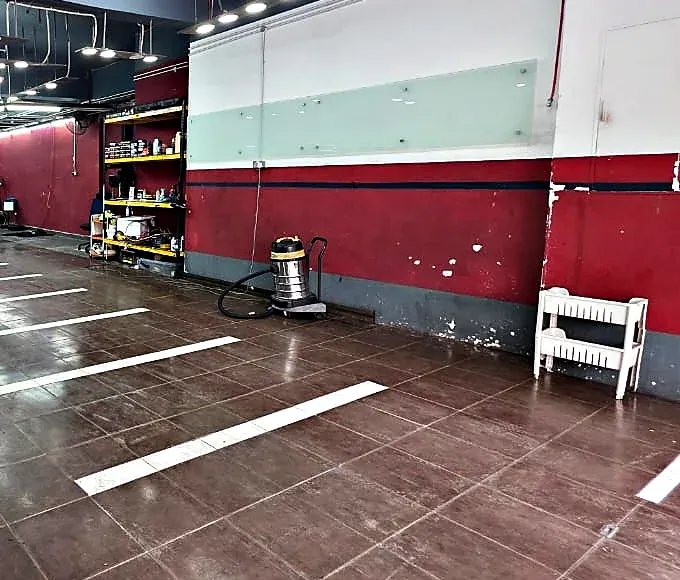
The Street, Drainage and Building Act 1974 applies to Peninsular Malaysia. If the building is in East Malaysia, do not assume the vocabulary transfers.
Sarawak operates under its own Building Ordinance and by-laws, where the equivalent document is an Occupation Permit, issued by the local authority.
Sabah has been moving to a CCC system under its own uniform building by-laws, adopted district by district rather than all at once.
The practical instruction is the same either way: ask which document that state and that council actually issue, and ask to see that one.
What to ask for before you commit
- The CF or CCC itself, and which one it is. Check the date against the building's age and see whether the two agree
- The approved building plans. Then walk the building against them
- Whether the certificate covers this unit or the whole block or scheme
- Whether any Form F1 partial certification was used, and what it did and did not cover
- The current Fire Certificate and its expiry date, if the premises is a designated one
- Approval documents for any extension, mezzanine or canopy you can see that is not on the original plan
- The land use category and approved use on the title, checked against what you intend to do
Item two costs nothing and catches more than the other six combined.
If the documents have been lost
It happens often on buildings that have changed hands a few times, and it is not necessarily a dead end.
Copies of the certificate and the approved plans are normally retained by the local authority that approved them, and can usually be applied for as a certified true copy by the owner or someone with the owner's written authority. The PSP's own practice may also still hold records.
The useful point for a buyer is that "we cannot find it" and "it does not exist" are very different answers. It is worth finding out which one you are dealing with before drawing any conclusion.
Frequently asked questions
What is the difference between CF and CCC in Malaysia?
CF, the Certificate of Fitness for Occupation, was issued by the local authority. CCC, the Certificate of Completion and Compliance, is issued by the Principal Submitting Person, the architect or engineer who submitted the plans. CCC replaced CF for new projects in Peninsular Malaysia when the Street, Drainage and Building (Amendment) Act 2007 came into force on 12 April 2007.
Is a CF still valid for an older factory or shop lot?
Yes. A building lawfully certified under the old system does not need to be recertified. A factory, warehouse or shop lot completed before April 2007 will normally hold a CF and that is the correct document for its age. What matters is that a valid certificate exists and that the building still matches the approved plans.
Who issues the CCC?
The Principal Submitting Person, a registered architect, professional engineer with a practising certificate, or registered building draughtsman who submitted the building plans to the local authority. The local authority no longer issues it, although it retains inspection powers and can direct the PSP to withhold the CCC until non-compliance is rectified.
Can you occupy a building without a CCC?
No. Occupying a building, or permitting it to be occupied, without a CCC is an offence under the Street, Drainage and Building Act 1974 as amended in 2007. The offence can reach owners, tenants and occupiers, not only developers.
Is the CCC the same as a fire certificate?
No, and this catches people out on industrial premises. Bomba clearance for the fire fighting systems is one of the inputs to the CCC, issued once. A Fire Certificate under the Fire Services Act 1988 is a separate document for designated premises and must be renewed annually. A building can hold a valid CCC and still have a lapsed Fire Certificate.
Do Sabah and Sarawak use CCC?
Not in the same way. The Street, Drainage and Building Act 1974 applies to Peninsular Malaysia. Sarawak operates under its own Building Ordinance and by-laws and issues an Occupation Permit. Sabah has been moving to a CCC system under its own uniform building by-laws. Always check which document the state actually issues.
Can you sell a property without a CCC?
A sale is not itself prohibited, but in practice the obstacle is financing and value. Lenders, valuers and solicitors generally expect a CCC or the older CF, so a buyer who needs a loan may not be able to complete. Occupying the building without one remains a separate offence. Treat a missing certificate as something to resolve before agreeing terms, not after.
How long does a CCC take to be issued?
There is no fixed statutory period, and the figure commonly quoted is one to two months once everything is genuinely in place. The delay is rarely the certificate itself. It is the Form G chain and the outside agency confirmations for electricity, water, sewerage, fire and lifts. Once issued, copies of the CCC and the Form G certifications are deposited with the local authority within 14 days.
What is Borang F?
Form F, or Borang F, is the CCC itself. Form F1 is used for partial certification, where part of a building is certified separately. Both can only be signed by the Principal Submitting Person, and only after the supporting Form G certifications and the essential services are in place.
The CF and CCC question is usually the easy one. Old building, CF. Newer building, CCC. Neither is a warning sign on its own.
The harder question sits one step behind it, and it is the one worth your time: does the building in front of you still match the building that was certified? A mezzanine, a rear extension and a covered loading area are the three I look for first, because they are the three that get built without asking.
Get the plans. Walk the building with them. That single habit is worth more than any certificate in the file.
Looking at a factory, warehouse or shop lot and unsure what the approval documents are telling you? Email me at kalvin@kalvinyoung.com. Happy to talk it through.
References
Official and primary sources, web pages first, full legislation below. Links open in a new tab.
- Certificate of Completion and Compliance (CCC) FAQ, Jabatan Kerajaan Tempatan, Ministry of Housing and Local Government. The government's own answers, in Malay, including who may issue a CCC, the difference between Borang F and Borang F1, and whether a local authority may still issue a CFO
- Understanding the new CCC, Malaysian Bar, Conveyancing Practice Committee. The clearest account of the 12 April 2007 changeover, the PSP role, the essential services and the saving provisions
- Street, Drainage and Building Act 1974, consolidated text on CommonLII. A readable web version, easier than the PDF if you only want one section
- Street, Drainage and Building Act 1974 (Act 133), full text, PDF. Section 70 on erecting and altering buildings, and the occupation offence
- Uniform Building By-Laws 1984, PDF, published by Jabatan Kerajaan Tempatan, KPKT. By-law 25 on the issuance of the CCC, and the Form F and Form G schedules
- Fire Services Act 1988 (Act 341), PDF reprint. Section 28 on fire certificates for designated premises and annual renewal
- Sarawak Building By-Laws, schedules, PDF, Sarawak LawNet. The Occupation Permit form and requirements
Legislation is amended from time to time. Check the current text before relying on any provision. This article is general information, not legal advice, and the position for a specific building should be confirmed with the relevant local authority and your own solicitor.