Two months plus one is a residential habit, and it is not what a commercial or industrial landlord asks for. On a shop lot, a factory or a warehouse the shape most often quoted is three months security, one month utilities and one month in advance. Five months of rent, before you have the keys.
Then there are the parts people forget, and two of them are new. Stamp duty on the tenancy moved to self assessment on 1 January 2026, and the old exemption on the first RM2,400 of annual rent is gone. Service tax arrived on commercial rent on 1 July 2025 at 8 per cent and was cut to 6 per cent on 1 January 2026.
And the deposit is not the landlord's money. It is security held against named things. What a landlord may keep is governed by section 75 of the Contracts Act 1950, and the Federal Court restated how that works in 2019.
Nothing here is legal, tax or valuation advice. Every figure in this article is market convention or a reported rate, and your agreement is what binds you.
Two months plus one, and where it comes from
Ask anyone in Malaysia what a rental deposit is and you will get the same answer. Two months security, half a month for utilities, one month in advance. People say it as though it were in a statute.
It is not. There is no Malaysian law that sets a rental deposit for anything. The Residential Tenancy Act has been announced since 2020, has still not been tabled, and its text is not public. Even if it arrives it is called the Residential Tenancy Act, and nothing proposed for it has ever been described as covering a shop lot, a factory or a warehouse.
So two plus one is a habit. A very strong one, because the residential market is enormous and the same agents write the same agreements. But it is a habit from a market where the tenant is a family, the unit is a house, and the worst case is a repaint.
Your landlord is not renting you a house.
What the commercial stack actually looks like
The shape most often quoted on a shop lot or an industrial unit is three months security, one month utilities and one month advance rental. Five months. On a unit at RM8,000 a month that is RM40,000 before you have moved a single pallet.
Three things drive the difference, and none of them is greed.
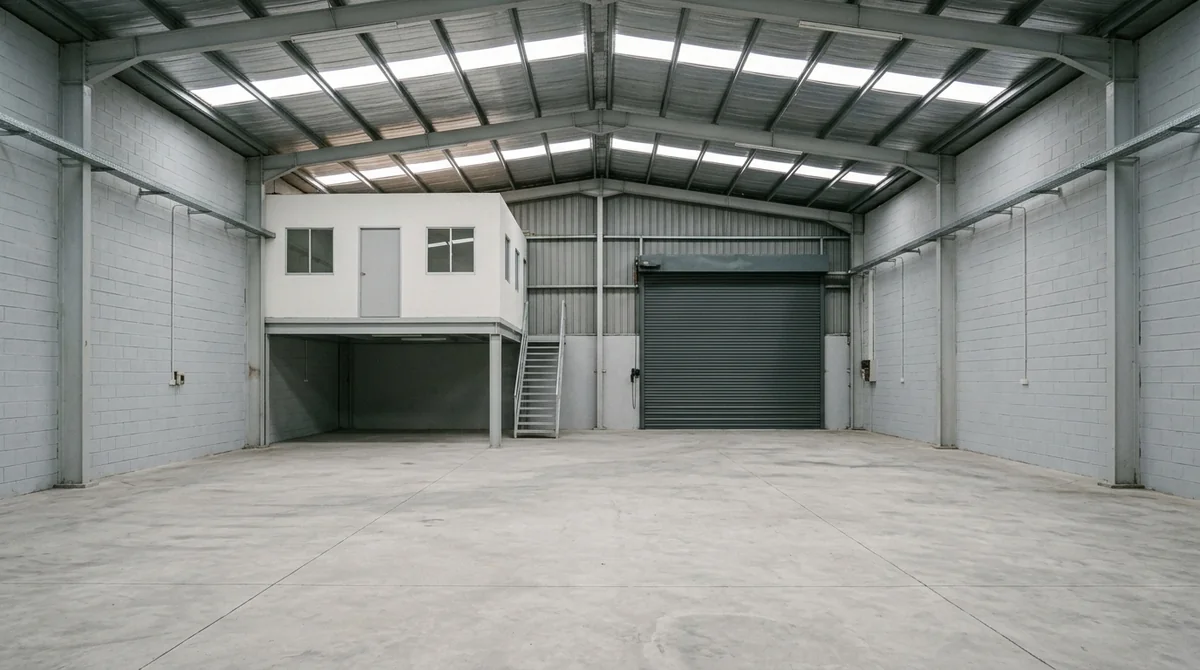
The void is longer. A house re lets in weeks. An industrial unit with a specific power supply, a specific floor loading and a specific category of land use can sit for a year. The article on why a warehouse sits empty goes through the reasons, and a landlord who has lived through one prices for the next.
The damage is bigger. A tenant can bolt racking into the slab, cut a loading door through a wall, hang a mezzanine off the frame and run three phase power to machines. Every one of those is a reinstatement cost, and reinstatement is the clause that empties deposits.
The tenant may be a company with nothing in it. That is its own section below, and it is the reason a landlord asks for your SSM print.
The security deposit, and what it is held against
The security deposit is not a fee and it is not rent. It is money held as security against named obligations, and it stays your money until the landlord has a claim against it.
That matters because the arguments at the end of a tenancy are almost never about whether a deposit exists. They are about what it may be applied to.
Read your agreement for the list. If a head of claim is not in there, the landlord cannot invent it when you hand back the keys. And if the agreement says the deposit is forfeited on any breach whatsoever, that clause is not the end of the matter either. See getting it back below.
The utility deposit, and why it is separate
The utility deposit is a different animal and it should be a separate line in the agreement with its own refund timing. It covers the final electricity and water bills, which arrive after you have gone, and any shared charge the landlord settles on your behalf.
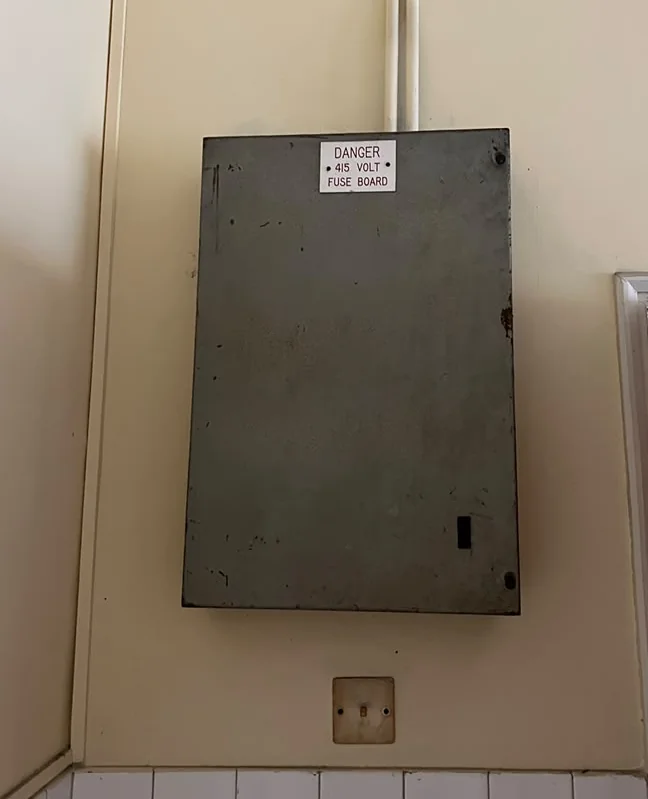
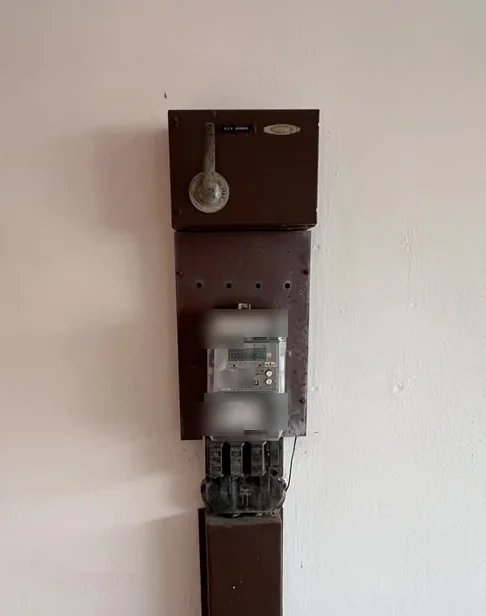
On an industrial unit it is usually a month of rent, and sometimes more, for one reason: the bills are large and they are in the landlord's name until they are not. Open the switchroom before you sign and find out what you are connected to.
Advance rental is not a deposit
One month paid in advance is not security. It is rent, paid early, for a month you will occupy. It is not refundable at the end because it was never held, it was spent on the first month.
People confuse the two constantly, and it matters at the end, because a tenant who thinks four months are refundable and finds that three are is a tenant who feels cheated over an arithmetic error.
One practical point. A refundable deposit is generally not treated as a supply for service tax, because it is security rather than consideration for anything. Rent paid in advance is rent, and is treated accordingly. If a landlord labels something a deposit but applies it as rent, the label will not decide it.
Stamp duty, and the number most calculators still get wrong
Two things changed and most of the guides online have not caught up with either.
First, stamping moved to self assessment. From 1 January 2026 the Stamp Duty Self Assessment System applies, and lease and tenancy instruments are in Phase 1, which is the first group to move. You assess and pay through the official portal yourself, you file a return, and you keep the records for seven years. The penalties for getting a return wrong are new as well.
Second, the old exemption is gone. For years the calculation deducted the first RM2,400 of annual rent before charging duty. Commercial guides now report that the exemption no longer applies and that the rates run by term: RM1 per RM250 of annual rent for a term up to one year, RM3 for one to three years, RM5 for three to five years, and RM7 above five years.
Those rate bands are consistent across several commercial sources, but the sources disagree on exactly when the exemption was removed, some saying 1 January 2025 and some 1 January 2026. I have not been able to confirm the date against the Act itself. Treat the bands as reliable and the effective date as unsettled, and confirm your own figure at the official portal before you pay. That is linked in the references.
The practical consequence is simple. A three year tenancy is dutiable at three times the rate of a one year tenancy, per RM250 of annual rent. If you are choosing between a one year term with an option and a straight three year term, the duty is part of that decision and it is usually left out of it.
The service tax on rent, which is the part nobody mentions
This is the newest item in the stack and the one most tenants have never heard of.
Rental and leasing services came into the scope of service tax on 1 July 2025 at 8 per cent. The rate was then reduced to 6 per cent with effect from 1 January 2026. Residential rental is outside it. Commercial and industrial premises, including shop lots, offices and warehouses, are inside it.
Three things follow, and they are the ones to ask about before you sign.
Is your landlord registered. A landlord only charges service tax if they are a registered person, which turns on whether their taxable services cross the registration threshold in a twelve month period. If they are not registered, there is no service tax on your rent.
Do you qualify for the small business exemption. A tenant whose annual sales fall under the threshold may be exempt, and that threshold was raised from RM1 million to RM1.5 million with effect from 1 January 2026. The exemption is not automatic. The tenant registers its status through the official portal and the landlord has to verify and keep the record.
Who bears it in the agreement. Service tax is a tax on the supply, and in practice the agreement says whether the quoted rent is inclusive or exclusive. On a five figure monthly rent, 6 per cent is not a rounding error.
One more that catches people: the temporary relief for qualifying non reviewable contracts ran out on 30 June 2026. If somebody told you in 2025 that your existing contract was outside this, check the date.
Paid up capital, and why the landlord asked for your SSM print
When a landlord asks for your company's SSM information, they are not being nosy. They are asking one question: if this company stops paying, is there anything to chase.
A Malaysian private company can be incorporated with a paid up capital of RM1. That is perfectly lawful and extremely common. From the landlord's side it means the tenant is a name with no substance behind it, and the deposit is the only real security in the arrangement.
So a thin paid up capital does one of three things, and usually more than one. It raises the deposit. It brings a director's personal guarantee into the agreement, which moves the risk onto a human being and their house. Or it brings in a bank guarantee, which the bank will only issue against security or a cash margin, so it costs you real money to provide.
If you are the tenant, the question to ask yourself before you sign a personal guarantee is whether you would lend this company the same money unsecured. If the answer is no, you have just done it anyway.
Reinstatement, the clause that actually empties deposits
Almost every dispute I have heard about at the end of a commercial tenancy comes down to the same sentence: the tenant shall reinstate the premises to their original condition, fair wear and tear excepted.
Nobody argues with that sentence when they sign. The problem is that nobody records what the original condition was.
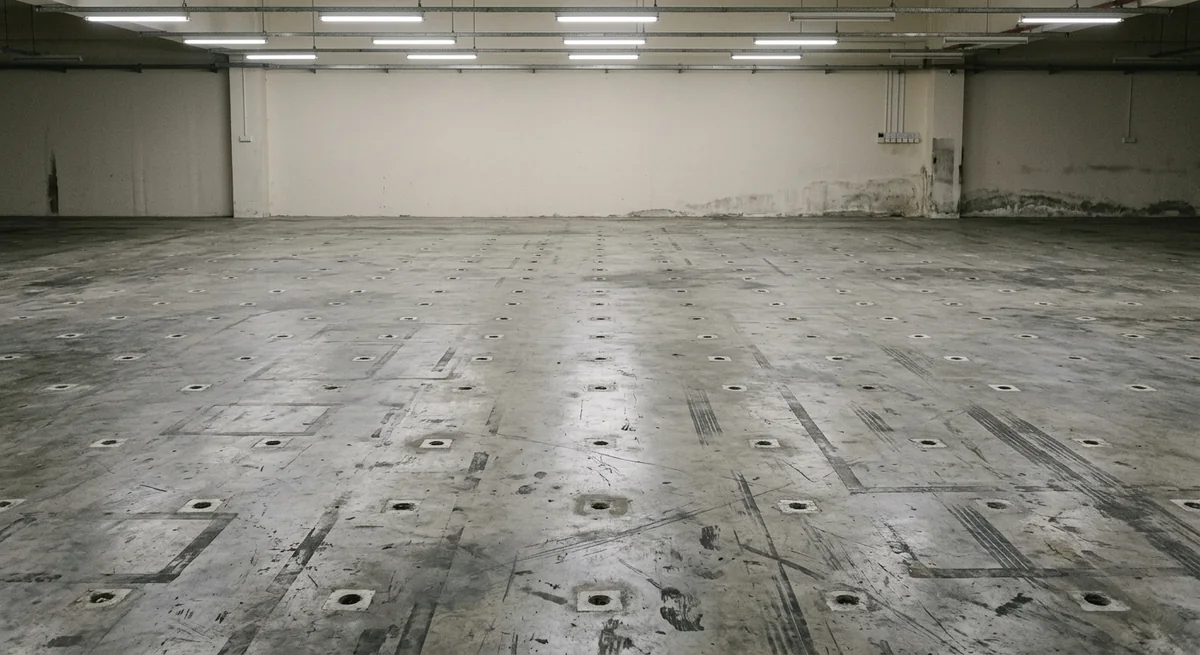
The fix costs nothing and takes an hour. Before you move in, walk the unit with the landlord or the agent and make a schedule of condition: dated photographs of the floor, the walls, the shutter, the roof from the inside, the switchroom, the toilets and the yard, attached to the agreement and signed by both sides.
Then agree in writing what you are allowed to install and what you must remove. Racking, a mezzanine, additional power, a compressor slab, partitioning, signage. If something is allowed to stay, say so in the agreement rather than hoping.
One warning that belongs here. An alteration you make may need approval from the local authority, not just from your landlord. A mezzanine is the usual example. The article on unapproved extensions covers what that does to a building, and a tenant who builds one has created a problem that outlives the tenancy.
Getting it back, and what the law actually says
Here is the part that surprises people. A clause saying the deposit is forfeited does not automatically mean the landlord keeps it.
Forfeiture of a deposit and a liquidated damages clause both run through section 75 of the Contracts Act 1950. In 2019 the Federal Court restated how that section works in Cubic Electronics Sdn Bhd v Mars Telecommunications Sdn Bhd, and the shape of it is this.
The innocent party does not always have to prove actual loss. What they must show is a breach and a clause stipulating a sum, and then that the sum is reasonable compensation, judged by whether they had a legitimate interest in enforcing it and whether the sum is proportionate. Once that is shown, the burden moves to the defaulting party to show the sum is extravagant and unconscionable compared with the highest loss that could conceivably follow from the breach.
In plain terms: a landlord cannot keep five months of rent because you left two weeks early and the repaint cost RM900. A tenant also cannot assume a forfeiture clause is unenforceable because it feels harsh. It is a test, and it is argued on the facts.
The practical lesson for a tenant is the boring one. Put a refund timeline in the agreement, require the landlord to itemise any deduction in writing with supporting invoices, and keep your schedule of condition. Most of this never reaches a court, and the party with dated photographs wins the negotiation.
When the rent stops, which is the landlord's side of the same question
If you are the landlord, or you are buying a building with a tenant already in it, the deposit is only your first line. What happens after it runs out is worth understanding before you need it.

Three points matter and they are all in the Act.
Twelve months is the ceiling. Section 5(1) limits distress to rent for a period not exceeding twelve completed months of the tenancy before the application. Arrears older than that are a debt, pursued like any other debt, not something the bailiff recovers.
It is a court process, not a self help one. The landlord applies to a Judge or a Registrar and the warrant is addressed to the bailiff. Changing the locks, cutting the power or clearing the unit yourself is not a remedy and creates a liability.
Not everything on the floor can be taken. Section 8 exempts, among other things, goods in actual use at the time of seizure, the tenant's necessary clothing and bedding, goods in the tenant's possession for carrying, processing or other handling in the ordinary course of trade, and goods already in the custody of the law. A warehouse full of somebody else's stock may be a disappointing warrant.
If you are buying a building that already has a tenant in it, all of this comes with it. The article on buying a tenanted factory covers what else you inherit, and tenancy or lease covers which instrument you are actually dealing with.
The shop lot version, because it is not the same
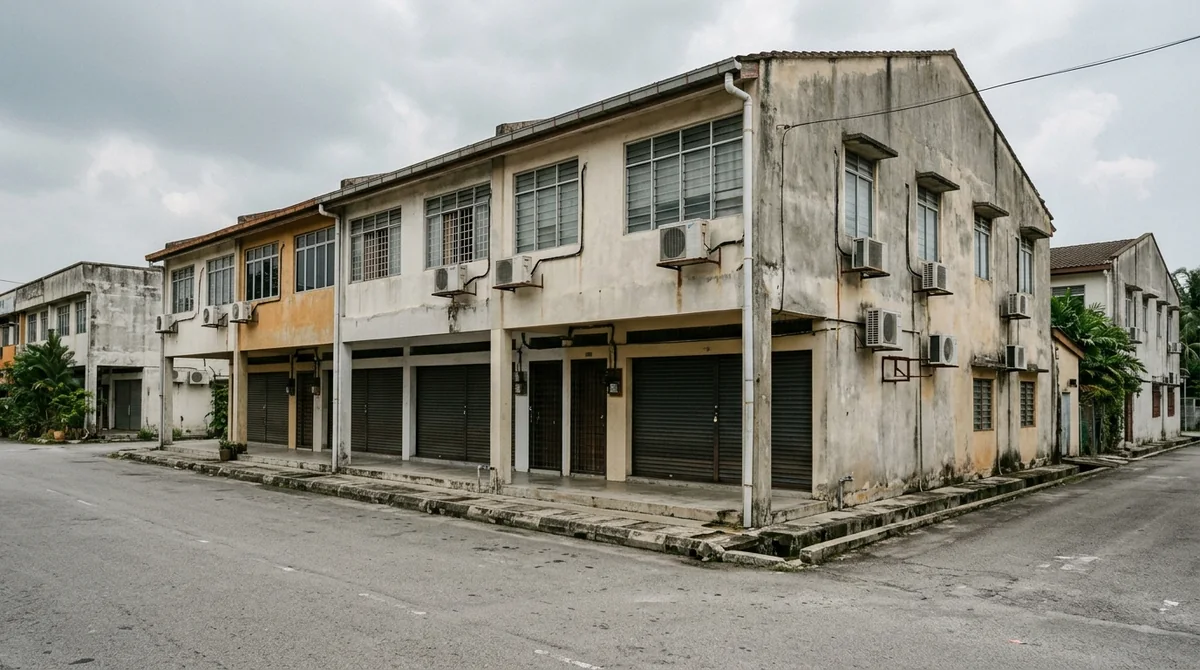
A shop lot sits between the two worlds and that is exactly why it is confusing. Shoplot or shop lot, both spellings are used and they mean the same thing: a unit in a terrace of commercial units, usually two to five storeys, ground floor open to the street under a five foot way.
Three things are different about the deposit on one of these.
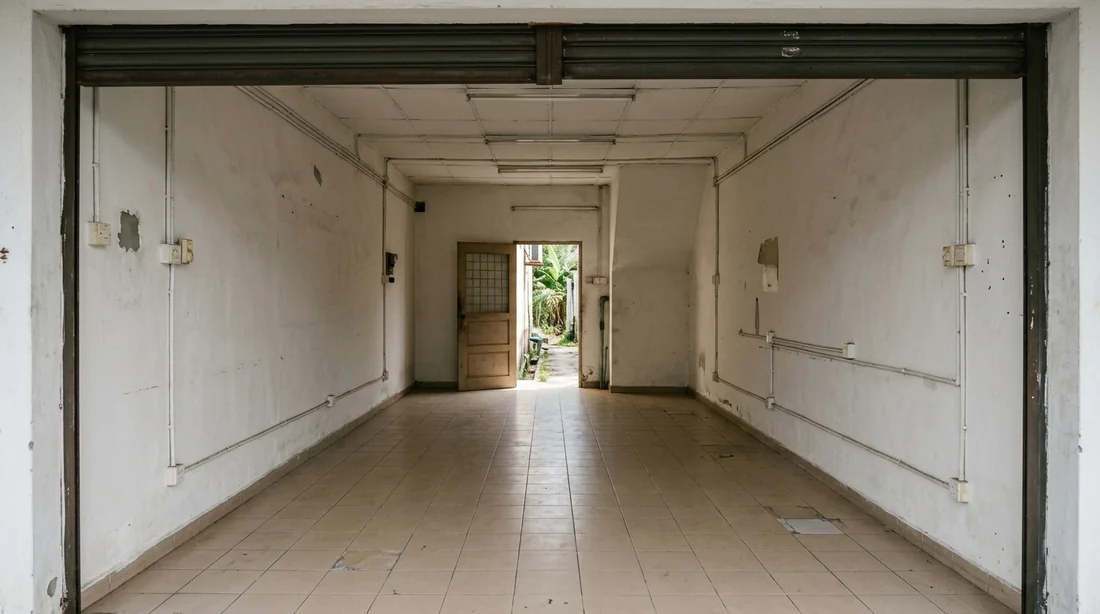
The unit may not be the whole building. On a shop lot terrace the upper floors are frequently held or let separately. If you are taking the ground floor, establish in writing what you are renting, what the rear access is, and who is responsible for the common staircase. A deposit calculated on the wrong area is the smallest of the problems that follow.
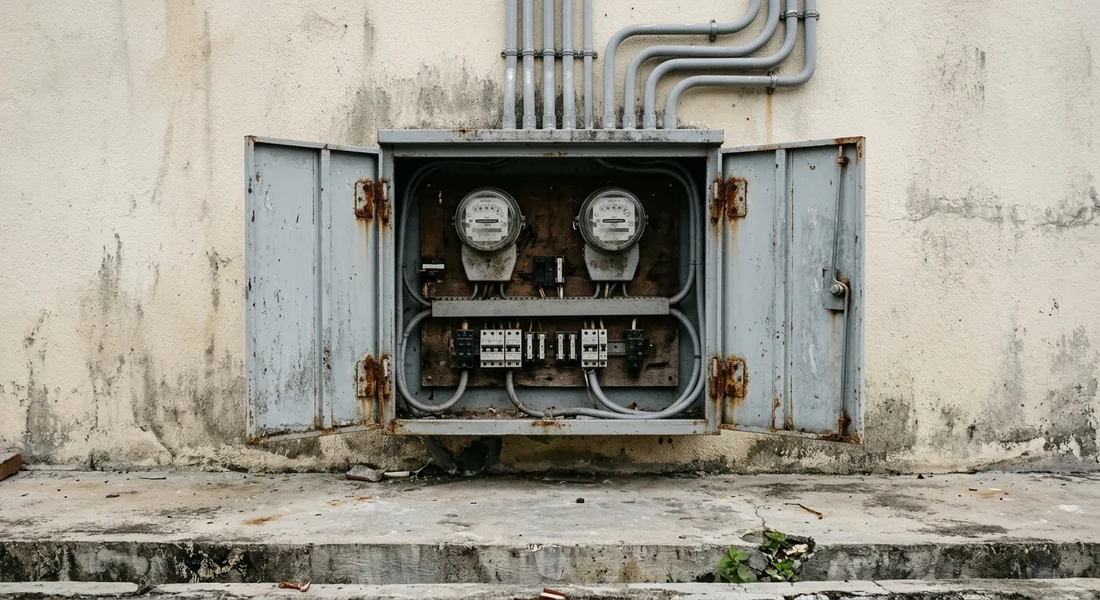
The meters are shared territory. A shop lot terrace usually has a bank of meters, and which one is yours is not always obvious.
Change of use is a live question. A shop lot is commercial, but that does not mean every business is permitted in it. The category on the title and the conditions attached to it decide what the land may be used for, and the local authority decides what the premises may be used for. The article on industrial, commercial and residential sets out what the categories mean. A tenancy you cannot lawfully trade from is a deposit you are unlikely to see again.
The calculation, on one page
Work it out before you negotiate, not during. Take your monthly rent and add:
- Advance rental. Usually one month. Not refundable, because it is rent
- Security deposit. Commonly two to three months on commercial and industrial. Refundable, subject to the four heads of claim
- Utility deposit. Commonly half a month to one month. Refundable after the final bills clear
- Stamp duty. By term band, per RM250 of annual rent, now self assessed. Confirm your figure at the official portal
- Legal fees. For preparing and executing the tenancy, if a solicitor is engaged
- Service tax. 6 per cent on the rent from 1 January 2026, if your landlord is registered and you do not qualify for the small business exemption
- Reinstatement reserve. Nobody budgets this and everybody pays it. If you are installing racking, power or a mezzanine, price the removal now
On a unit at RM8,000 a month, a five month stack is RM40,000, and the duty, fees and tax sit on top of that. That is the number to take to the negotiation, and it is the number that should decide whether you take a one year term or a three year one.
What this article does not do
It does not tell you what your deposit should be. There is no statutory figure, the conventions above are conventions, and a landlord with a hard to let unit and a landlord with a queue will quote differently for the same building.
It is not tax advice and it is not legal advice. The service tax position has changed twice in eighteen months and the stamp duty position changed on 1 January 2026, so the single most useful thing in this article may be the links at the bottom rather than the text. Confirm a rate before you rely on it, and take a tenancy of any size to a conveyancing solicitor.
And it does not replace reading your own agreement. Everything above is about what is usual. What binds you is what you sign.
Where to go next
A tenancy is a promise, a lease is on the title is the instrument question, and it decides more than the deposit does. You buy the building, you inherit the tenant covers the purchase side. The unit is yours, the yard is everyone's covers the monthly service charge in a strata scheme, which is a separate running cost from anything on this page. One tax is on the land, the other is on the building covers the annual charges. And the inspection order is where to start if you have not taken the unit yet.
Frequently asked questions
Is there a legal maximum rental deposit in Malaysia?
No. No Malaysian statute sets or caps a rental deposit for residential, commercial or industrial property. The Residential Tenancy Act has been announced since 2020 but has not been tabled and its text is not public, and by its name it would address residential tenancies rather than shop lots, factories or warehouses. Everything quoted in the market is convention and is negotiable.
How much deposit does a commercial or industrial landlord usually ask for?
The shape most often quoted is three months security, one month utility deposit and one month advance rental, so about five months of rent before you take the keys. Two months security is also common on smaller units. It is market practice, not law, and it moves with how hard the unit is to let.
Why is a commercial deposit higher than a residential one?
Three reasons. The void period is longer, because an industrial or commercial unit with a specific power supply, floor loading or permitted use can sit empty for a year. The potential damage is larger, because tenants bolt racking into slabs, add mezzanines and alter power. And the tenant is often a company whose paid up capital may be nominal, so the deposit is the only real security.
Is advance rental refundable?
No. Advance rental is rent paid early for a month you will occupy, so there is nothing to refund at the end. Only the security deposit and the utility deposit are refundable, and only to the extent the landlord has no valid claim against them.
Do I have to pay service tax on commercial rent in Malaysia?
Rental and leasing services came into the scope of service tax on 1 July 2025 at 8 per cent, and the rate was reduced to 6 per cent with effect from 1 January 2026. Residential rental is excluded. It applies only if your landlord is a registered person, and a tenant whose annual sales fall below the small business threshold may be exempt, that threshold having been raised from RM1 million to RM1.5 million from 1 January 2026. The tenant has to register its status and the landlord has to verify it.
Is a refundable deposit subject to service tax?
A genuinely refundable security deposit is held as security rather than paid as consideration for a supply, so it is generally not treated as a taxable supply. If an amount called a deposit is in fact applied as rent, the label will not change how it is treated. Confirm the position for your own arrangement before relying on it.
How is stamp duty on a tenancy calculated now?
Duty is charged on the annual or average annual rent, in bands set by the term: commonly reported as RM1 per RM250 for a term up to one year, RM3 for one to three years, RM5 for three to five years and RM7 above five years. The old exemption on the first RM2,400 of annual rent is reported as no longer applying, although sources disagree on the exact date it was removed. From 1 January 2026 tenancy instruments are self assessed under the Stamp Duty Self Assessment System. Confirm your figure at the official portal.
Why does my landlord want my company's paid up capital?
To find out whether there is anything behind the tenant. A Malaysian private company can be incorporated with a paid up capital of RM1, which is lawful and very common, but it means the company itself may be worth nothing if it stops paying. A thin paid up capital usually results in a higher deposit, a director's personal guarantee, a bank guarantee, or some combination of those.
Can a landlord simply keep my deposit if the agreement says it is forfeited?
Not automatically. Forfeiture of a deposit and liquidated damages clauses both run through section 75 of the Contracts Act 1950. In Cubic Electronics Sdn Bhd v Mars Telecommunications Sdn Bhd the Federal Court held that the party relying on the clause must show a breach and a stipulated sum, and that the sum is reasonable compensation judged by legitimate interest and proportionality. The defaulting party may then show that the sum is extravagant and unconscionable compared with the highest conceivable loss.
What is the most common reason a commercial deposit is not returned in full?
Reinstatement. The agreement requires the premises to be put back to their original condition, but almost nobody records what that condition was. A dated schedule of condition with photographs, signed by both sides and attached to the agreement before you move in, is the single cheapest protection available and it takes about an hour.
What can a landlord do if the tenant stops paying rent?
The landlord may apply to the court for a warrant of distress under the Distress Act 1951, and the bailiff may seize movable property on the premises. Section 5(1) limits it to rent for a period not exceeding twelve completed months before the application, and section 8 exempts certain property, including goods in actual use when seized and goods held for processing in the ordinary course of the tenant's trade. The landlord may not change the locks or remove the tenant without a court order.
Is the deposit on a shop lot different from a factory?
The months quoted are similar, but three things differ. The unit may be only part of the building, since the upper floors of a shop lot terrace are often let separately. The meters are usually in a shared bank, so confirming which one serves your unit and recording the reading on handover matters. And change of use is a live question, because a shop lot being commercial does not mean every trade is permitted in it.
References
Every item below is a link, because a reference you cannot open is not a reference. Where a figure is reported by a commercial source rather than confirmed in the legislation, it says so.
- Forfeiting a deposit, and the test that applies. The Contracts Act 1950, full text PDF carries section 75, and this note on Cubic Electronics Sdn Bhd v Mars Telecommunications Sdn Bhd [2019] CLJ 723 sets out how the Federal Court restated it, including the legitimate interest and proportionality test and where the burden sits
- What a landlord may do about arrears. The Distress Act 1951, Laws of Malaysia reprint is the full text. Section 5(1) is the twelve completed month limit, section 7 is what the bailiff may seize, and section 8 is the list of exempt property. This practitioner note on distress action covers how it works in practice
- Why self help is not an option. The Specific Relief Act 1950, full text PDF, and the Laws of Malaysia portal for the current version of any statute on this page
- Stamp duty, the official position. The Inland Revenue Board on the Stamp Duty Self Assessment System confirms that lease and tenancy instruments are in Phase 1 from 1 January 2026, and sets out the return and the seven year record keeping requirement. The e-Duti Setem page is where the assessment is actually made, and the general stamp duty page confirms that tenancies are charged ad valorem under the Stamp Act 1949
- Stamp duty, the rate bands and the removed exemption. These are reported by commercial sources rather than reproduced here from the Act. This guide and this one both give RM1, RM3, RM5 and RM7 per RM250 by term band and both state that the RM2,400 exemption no longer applies, but they do not agree on the date it was removed. This law firm summary of the 1 January 2026 changes covers the self assessment regime and the new penalties
- Service tax on rental and leasing. This January 2026 tax update confirms the reduction from 8 per cent to 6 per cent with effect from 1 January 2026 and the raising of the small and medium enterprise threshold from RM1 million to RM1.5 million. This guide to rental service tax sets out the exemptions, the registration position and the end of the non reviewable contract relief on 30 June 2026, and the Royal Malaysian Customs MySST portal is the official source for the service tax policy and the industry guides
- The Residential Tenancy Act, and why it does not help you here. This review of the proposed Act records that it had still not been tabled as at May 2026 and that its text is not public. It addresses residential tenancies, and nothing proposed for it has been described as covering commercial or industrial premises
- Company information on a prospective tenant. The Companies Commission of Malaysia is where a company search is obtained, and it is the source of the paid up capital figure a landlord will ask for
- Everything on this site that touches a tenancy. Tenancy or lease, buying a tenanted factory, share units and maintenance charges, quit rent and assessment and industrial, commercial or residential each argue their own part in full, with their own sources