MM2H is not a permit to buy property. A foreigner can already buy most categories of Malaysian property without it. What the current programme does is the opposite: the official guidelines make buying and owning a residence compulsory for participants.
And there are two price floors, not one. The tier tells you what you must buy to qualify. The state tells you the lowest price a foreigner may buy at there. They are different numbers from different authorities, and you have to clear both.
Then it locks. The guidelines say the residence may not be sold for ten years, except to upgrade to something more expensive.
None of it touches commercial or industrial. Consent under the National Land Code still applies, the restricted categories of land still apply, and a factory is a different question entirely. Nothing here is legal, tax or immigration advice.
What the programme is now, after the restructure
Malaysia My Second Home is a long stay programme, not a property scheme. It is administered by the Ministry of Tourism, Arts and Culture through a One Stop Centre, with the Immigration Department issuing the passes and the Home Ministry handling security vetting.
That split matters more than it sounds, and it is the thing to hold on to for the rest of this page. MOTAC decides whether you hold the pass. The state land authority decides whether you may buy the property. Two authorities, two processes, and neither one is bound by the other's decision.
The official portal lists four categories: Silver, Gold, Platinum, and a special economic zone tier. Each carries its own fixed deposit, participation fee, property value and term.
I am not going to print those four sets of figures as though I had read them off the official page, because I could not. The official guidelines publish the tier table as images, which I was unable to read from my own machine. Commercial guides report the required residence value at roughly RM600,000 for Silver, RM1 million for Gold, RM2 million for Platinum and RM500,000 for the special economic zone tier, and those are the numbers everything below is reasoned from. Check them on the category pages at mm2h.gov.my before you rely on any of it.
What I can take from the official guidelines directly, because it is in the text rather than in an image, is the part most people have not registered:
Buying and owning a residence is compulsory. Selling that residence is not allowed for ten years, other than to upgrade to a property of higher value. Participants under fifty must spend ninety days in Malaysia cumulatively each year. The pass is renewable and tied to the passport, renewed every five years. Up to half the principal applicant's fixed deposit may be withdrawn after approval, for purposes including a residence.
Read that list again and notice what kind of thing it is. It is not a set of privileges. It is a set of obligations attached to an asset.
The two price floors, and why they are not the same number
This is the part that catches people, and it catches them late, usually after they have shortlisted something.
The tier floor is a qualifying condition. It says: to participate at this level, the residence you buy has to be worth at least this much. It is set federally, by the programme.
The state floor is an eligibility condition. It says: in this state, a foreigner may not buy any property below this price at all. It is set by the state, it has nothing to do with MM2H, and it applies to foreign buyers whether or not they have ever heard of the programme.
You have to satisfy both. Which means the number that actually governs your purchase is whichever of the two is higher, and it changes when you cross a state line.
Here is the collision, using the reported figures.
Commercial guides put the Kuala Lumpur minimum for foreign buyers at RM1 million, across all property types. The reported Silver tier requirement is RM600,000. So a Silver participant cannot satisfy the MM2H purchase obligation with a RM600,000 property in Kuala Lumpur, because Kuala Lumpur will not let a foreigner buy at RM600,000 in the first place. The tier figure is not wrong. It is simply not the binding constraint there.
Move to a state with a lower floor and the arithmetic flips, and the tier figure starts to bind instead. The same applicant, the same tier, a different answer, decided entirely by which state the property sits in.
The state floors are reported to vary widely, by state, by zone within a state, and by whether the property is landed or strata. Penang Island is reported at a different figure for landed than for strata. Selangor is reported to differ sharply between its zones. Several states are reported inconsistently across sources, which is itself a reason to go to the land office rather than to a table.
So do not price your search off the tier. Price it off the state, then check the tier clears too.
The ten year lock, which is the part nobody mentions
The official guidelines are blunt about this, and it is in the text rather than in an image, so I can quote the substance of it directly. Selling the residence is not allowed for ten years. The one exception described is where the participant is upgrading to a property of higher value.
Sit with that for a moment, because it is a long time.
You are buying an asset to satisfy a condition of a visa. You are buying it at a price set by whichever floor is higher rather than by what you need. And you cannot exit it for a decade unless your exit is to spend more.
That is not an argument against the programme. People take it on knowingly and it suits plenty of them. It is an argument for pricing the lock before you sign rather than after, and for asking the question almost nobody asks at the viewing stage: if my circumstances change in year three, what exactly can I do?
The answer, on the published guidelines, is that you can upgrade. That is the whole menu.
State consent does not go away
Here is the second thing people assume the programme buys them, and it does not.
Every transfer of property to a foreign buyer requires the consent of the State Authority. Published guidance cites section 433B of the National Land Code for it. MM2H participants are reported to need that consent in the ordinary way, exactly like any other foreign purchaser.
So the sequence has a step in it that is outside your control and outside MOTAC's. You agree a price, you sign, and then a state authority that has no interest in your visa decides whether the transfer may be registered. That takes time, the time is not uniform between states, and it is a condition to be written into the sale agreement with its own long stop date rather than assumed away.
If that sounds familiar it is because it is the same discipline as every other title question on this site. Read the title, find the restriction in interest, find what consent is needed, and put the answer in the agreement.
What a foreigner cannot buy at all, with or without the pass
Some land is closed to foreign buyers as a matter of category, not price. No tier reaches any of it.
Reported restrictions include Malay reserved land, units held under the Bumiputera quota, agricultural land in most states, and low cost and affordable housing. Individual states add their own, and low rise terraced housing is reported to be restricted or discouraged in several of them.
Two things follow for anybody shortlisting.
A property can be inside your budget, inside your tier and still closed to you. Price is only one of the tests and it is not the first one.
And the restriction lives on the title, not in the listing. This is the same point as the whole of the title search article. A flyer will not tell you the lot is on reserved land or carries a quota endorsement. The register will.
If what you actually want is a factory
This is where the programme and the subject of this site part company, and it is worth being plain about it.
The compulsory purchase under MM2H is a residence. Nothing in the programme is directed at commercial or industrial property, and holding the pass does not advance a factory purchase by a single step.
Commercial and industrial follow their own rules, and the reported position is that foreigners can generally buy them subject to state consent and the state minimum price, with significant local variation on top. Guidance reports that in Kuala Lumpur, Putrajaya and Labuan such property is open only to foreign owned companies incorporated in Malaysia rather than to individuals. Selangor is reported to require a MITI manufacturing licence for industrial property. Penang is reported to bar resale of commercial or industrial property within three years of the sale agreement.
If that first one sounds familiar, it is the whole thesis of the foreign ownership article: a foreigner can buy a factory, but in a number of places not in their own name. A Malaysian incorporated company is the vehicle, and that is a corporate and tax question before it is a property one.
So treat these as two separate projects that happen to involve the same person. MM2H is where you live. The company is where you manufacture. Running them together is how people end up buying the wrong asset in the wrong name and discovering it at the consent stage.
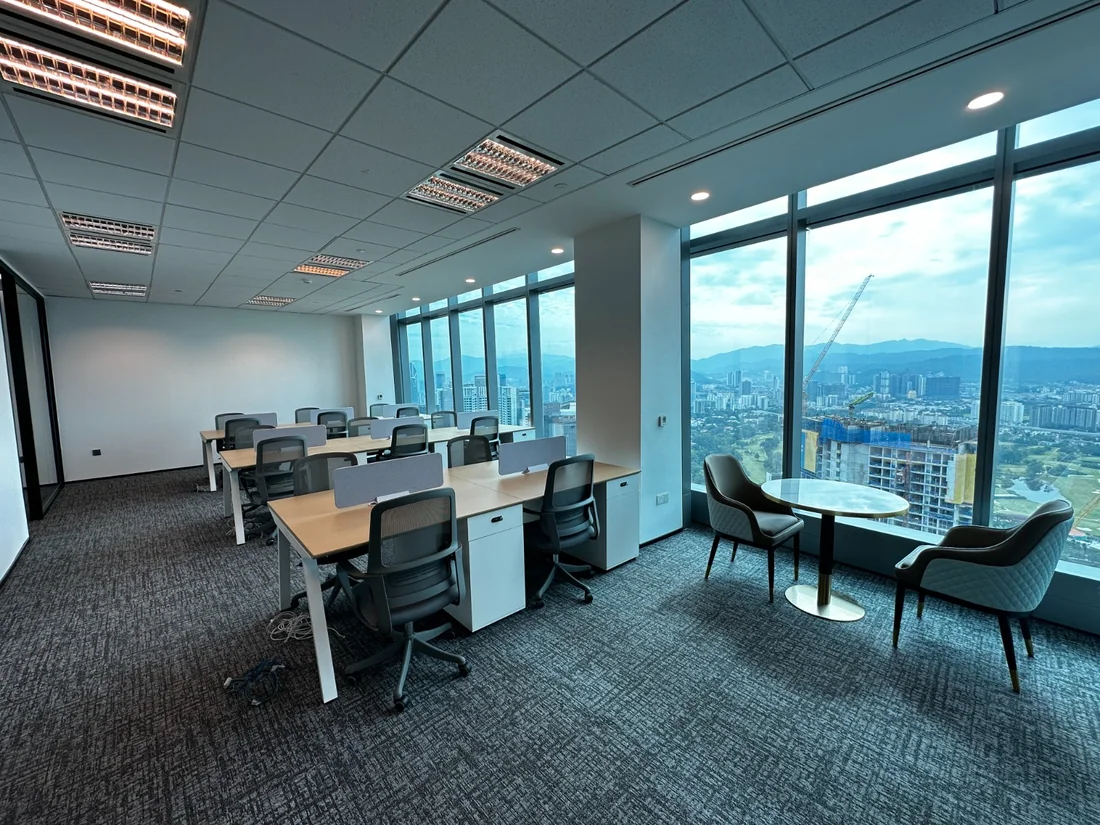
A worked example: TRX
It helps to run all of this against somewhere specific, and Tun Razak Exchange is the clearest case in Kuala Lumpur because it contains both kinds of property inside one development.
TRX is a roughly 70 acre, 28 hectare district on the eastern edge of the Kuala Lumpur central business district, master planned as an international financial centre. The master developer is TRX City Sdn Bhd, which is wholly owned by the Minister of Finance Incorporated. The published master plan runs to 26 buildings and more than 21 million square feet of gross floor area, mixing offices, residences, a hotel, retail and a mall.
Here is why it is a useful example rather than just a landmark.
Same district, same postcode, two different answers. A TRX residence is residential, so an MM2H participant could in principle buy one and have it count toward the purchase obligation, provided it clears the reported Kuala Lumpur floor of RM1 million and consent is granted. A TRX office is commercial, and on the reported Kuala Lumpur position commercial property is open to Malaysian incorporated companies rather than to a foreign individual. Two units in the same skyline, two completely different routes to owning them.
That is the whole argument of this page compressed into one address. The question is never where the property is. It is what the property is, and who is signing.
And the incentive is not yours. TRX carries a published tax incentive, and people hear about it and assume it helps them buy. It does not. PwC's summary describes an exemption of seventy per cent of statutory income from rental of a building, for five years and up to year of assessment 2027, applying to property developers in TRX. It attaches to the developer. There is no buyer side equivalent described. So the sentence "TRX has tax incentives" is true and has nothing to do with your purchase.
Everything else on this page still applies there unchanged. State consent under the National Land Code, the Kuala Lumpur price floor, the ten year lock if the purchase is being used to satisfy MM2H, and the foreign buyer duty position.
The third option, which is a licence rather than a purchase
Put the two halves of this page together and a gap appears. You are a foreign individual, you want a business presence in Kuala Lumpur, and you have just read that commercial property there is reported to be open to Malaysian incorporated companies rather than to people. Incorporating is a real answer, but it is a corporate project with its own cost and admin.
There is a third route, and it involves owning nothing at all: take space in a serviced office.
And here is the part that belongs on this site rather than in a brochure. What you sign is usually a licence, not a tenancy.
The article on tenancies and leases set out two categories: a tenancy, which is a contract, and a lease, which goes on the title. A licence is the third, and it is weaker than both. It is permission to occupy, it is personal to you, it does not create an interest in land, there is nothing to register, and it does not carry the protections a tenancy carries. That is not a trick. Serviced offices are built that way on purpose, because the operator is selling a service rather than granting a property right. But you should know which of the three you have signed, and the only way to know is to read the document rather than the floor plan.
Then there is what it actually costs, which is never the headline rate. I was sent a serviced office proposal in October 2026 for space in Kuala Lumpur, and its payment schedule is worth setting out because it is typical of the market rather than unusual.
Four and a half months, payable before you move in. Three months security deposit, half a month utilities deposit, one month advance rental. That is a working capital event, and almost nobody models it before they start viewing.
And between a fifth and a quarter of the area you are quoted is not yours. The proposal states it plainly: all unit sizes include a twenty to twenty five per cent allocation for shared and common areas, covering tenant shared areas, corridors, lift lobbies, restrooms and pantries. So a quoted size is not usable area, and two quotes at the same rate are not comparable until you know each one's allocation. If that sounds familiar, it is the same arithmetic as psf on land against psf on built up, arriving from a different direction.
The same document lists the running costs that sit on top: electricity separately metered to each unit and billed on actual consumption, air conditioning provided only within stated service hours with an hourly charge outside them, parking billed separately, and printing, internet, water and plants charged on usage. Furniture and any fit out are quoted separately again.
None of that is hidden, and none of it is unreasonable. The point is simply that the rate per square foot is the smallest part of the decision, and the number you should be comparing is the full monthly outgoing against the usable area, not the headline against the quoted area.
One last thing, and it brings this back to where the page started. A licence gives you no property right whatsoever. It does nothing for MM2H, it is not an asset, and it cannot satisfy a purchase obligation. If you need somewhere to work it may be exactly right. It is simply a different question from the one the visa asks.
What it costs, beyond the price
Every guide to this subject tells you the price floor and stops. The price is not the cost, and three of the numbers below are the ones that actually decide whether the purchase works.
Duty on the transfer. PwC's current Malaysian tax booklet puts stamp duty on a transfer of real property at one to four per cent of consideration or market value, whichever is higher, payable by the buyer. Separately, Budget 2026 was reported as doubling the rate for foreign buyers of residential property to eight per cent with effect from 1 January 2026, assessed on when the transfer instrument is executed rather than when the sale agreement was signed.
I am going to be careful here, because this is the figure most likely to be wrong on any page you read. Every source reporting the eight per cent traces it to a Budget speech rather than to a Finance Act, a gazette order or any other enacting instrument, and PwC's own booklet still shows the general one to four per cent scale with no foreign buyer surcharge in it. That discrepancy is not a reason to ignore the figure. It is a reason to have your solicitor confirm the rate in writing before you budget against it.
One detail in the reporting does matter on this site: the doubling is described as applying to residential property only, with commercial and industrial reportedly unaffected. If that holds, the duty question for a factory is a different question from the duty question for a condominium, and you should not let anyone quote you one rate for both.
Consent, and the time it takes. The state authority charges a fee for considering the application, the amount varies by state, and on a foreigner consent it is the foreign purchaser who bears it. More important than the fee is the delay, and here the figures in circulation disagree with each other. A Malaysian law firm writing on consent applications puts a typical one at at least three months, with no guarantee on how long approval will take, which is why sale agreements commonly allow six months with an option to extend. You will see four to twelve weeks quoted on other pages. I would plan against the longer figure, put a long stop date in the agreement, and treat neither number as a promise.
And then there is the exit, which is where foreign buyers are treated quite differently. Real property gains tax for an individual who is neither a citizen nor a permanent resident runs at thirty per cent on a disposal in the first five years, falling to ten per cent after five years. A Malaysian citizen disposing in year six pays nothing. You pay ten.
Notice what that does when you put it next to the MM2H purchase obligation. The guidelines lock the residence for ten years. The punitive RPGT band runs for five. So anyone who holds to the end of the MM2H lock is necessarily past the thirty per cent cliff and into the ten per cent band. The two rules happen to point the same way, which is the only piece of good news on this page.
There is a preferential RPGT scale, but it is narrow: PwC describes it as applying to sale and purchase agreements for real property in Pulau 1 of the Forest City Special Financial Zone, executed between 1 September 2024 and 31 July 2034 and duly stamped before 1 September 2034, running at thirty, twenty, fifteen and then zero per cent. If you are not buying there it does not reach you.
While you hold it, there is a trap in the word resident. A non-resident individual is taxed at a flat thirty per cent on total taxable income in Malaysia. If you let the property, that is the rate that applies to the rental unless you are tax resident here.
And tax residence is not the same thing as the visa. Holding an MM2H pass does not make you a tax resident of Malaysia. Residence for tax is decided by its own test on days present in the country, and the programme's own minimum stay for participants under fifty is ninety days a year, which is well short of what tax residence ordinarily requires. People conflate the two constantly. They are decided by different authorities under different rules, and you can comfortably hold one without the other.
Then the annual running costs, which are the same ones every owner here pays: quit rent to the state and assessment to the local council, set out in their own article, plus maintenance and sinking fund if the property is strata, which a city condominium almost always is.
None of this makes the purchase a bad idea. It makes the headline price an incomplete number, and the figure you should be comparing is the total cost of getting in, holding, and getting out again, against an exit date you cannot bring forward for ten years.
Before you commit to anything
Six questions, and the first three can be answered before you speak to anybody.
One. Which state, and what is its floor for foreign buyers? Start here, not with the tier. The state decides whether you may buy at all.
Two. Is the tier floor above or below it? Whichever is higher is the number you are actually shopping against.
Three. Is the property in a closed category? Reserved land, quota unit, agricultural, low cost. Price does not cure any of these.
Four. What does the title say? Proprietor, tenure, category, express conditions, restriction in interest, encumbrances. Everything in the title search article applies here unchanged, and if the title is a qualified one the area is open as well.
Five. How long does consent take in that state, and what happens if it is refused? That belongs in the agreement with a date against it.
Six. Can you live with the ten year lock? Ask it now, at the price you are actually paying, not at the price in the brochure.
What this page is, and what it is not
This explains how the MM2H purchase obligation interacts with the ordinary rules on foreign ownership of Malaysian property. It is not immigration advice, it is not conveyancing advice and it is not tax advice.
Four warnings, and the first is the one that matters most on this page. Almost every figure here is reported from commercial guides rather than read off the official portal, because the official guidelines publish the tier table as images I could not read. Treat every number as a thing to verify, not a thing to rely on. The rules move. This programme has been restructured more than once and the state floors and stamp duty rates change with budgets and state policy. Sabah and Sarawak run their own land and immigration regimes and are outside most of what is described here. And I have deliberately not reproduced the tier table, because a table on a page like this gets screenshotted, shared and relied on long after it has gone out of date.
Related
- A foreigner can buy a factory, not in their own name, for the company route and why several states insist on it
- The flyer is marketing, the geran is the deal, for the restriction in interest and the consent endorsement you are looking for
- The area is provisional, the price is not, because a foreign purchase against a provisional area has two open numbers rather than one
- Leasehold or freehold, check the geran not the flyer, for the tenure field and what a shortening lease does to a ten year hold
- Industrial, commercial or residential, and what your title actually permits
- Versi Bahasa Melayu: MM2H dan pembelian hartanah oleh warga asing
- 中文版:MM2H 与外国人在马来西亚置产
Frequently asked questions
Does MM2H let a foreigner buy property in Malaysia?
It does not give you a right you would not otherwise have, and that is the most common misunderstanding about it. A foreigner can buy most categories of Malaysian property without MM2H, subject to state consent and the state minimum price. What MM2H does is the reverse. Under the current rules the official guidelines state that buying and owning a residence is compulsory for participants, so the programme is a property obligation rather than a property permit.
What is the minimum property price for MM2H?
It depends on the tier, and the published tier figures should be confirmed on the official portal because that portal publishes them as images. Commercial guides report a required residence value of roughly RM600,000 for Silver, RM1 million for Gold, RM2 million for Platinum and RM500,000 for the special economic zone tier. The important point is that this is not the only floor you have to clear.
Is the MM2H price floor the same as the state minimum price for foreigners?
No, and this is where people get caught. They are two separate numbers set by two different authorities for two different reasons. MM2H sets what you must buy to qualify for the pass. The state sets the lowest price at which a foreigner is allowed to buy there at all. You have to satisfy both, so the number that governs your purchase is whichever of the two is higher.
Can I satisfy MM2H Silver with a RM600,000 property in Kuala Lumpur?
On the reported figures, no. Guides put the Kuala Lumpur minimum for foreign buyers at RM1 million across all property types, which is above the reported Silver requirement. So in Kuala Lumpur the state floor is the operative number and the tier figure tells you nothing useful. In a state with a lower floor the tier figure may bind instead. Check the state before you shortlist anything, because the answer changes when you cross a state line.
Does MM2H exempt me from state consent?
No. Every transfer of property to a foreign buyer requires the consent of the State Authority, and published guidance cites section 433B of the National Land Code for it. MM2H holders are reported to need that consent in the ordinary way like any other foreign buyer. Consent takes time, it is granted by the state rather than by the federal programme, and it is a condition to be built into the sale agreement rather than assumed.
Can I sell the property I bought for MM2H?
Not for ten years. The official guidelines state that selling the residence is not allowed for ten years, with an exception where the participant is upgrading to a property of higher value. That is a long lock on an asset bought to satisfy a visa condition, and it should be weighed before the purchase rather than discovered after it.
What property can a foreigner not buy in Malaysia?
Reported restrictions include Malay reserved land, units held under the Bumiputera quota, agricultural land in most states, and low cost or affordable housing. Several states add their own limits, for example on low rise terraced houses. None of these are lifted by MM2H status. They are restrictions on the land and on the category of buyer, and a visa does not reach them.
Does MM2H help me buy a factory or a shop lot?
No. The compulsory purchase under MM2H is a residence, and nothing in the programme is directed at commercial or industrial property. Those follow their own rules, which include state consent, the state minimum price, and in some places a requirement that the buyer be a Malaysian incorporated company rather than an individual. If what you actually want is industrial space, MM2H is not the route to it and the two questions should be kept apart.
Who administers MM2H?
The Ministry of Tourism, Arts and Culture, through a One Stop Centre, with the Immigration Department issuing the passes and the Home Ministry handling security vetting. That matters in practice because the programme and the property approvals sit with different authorities. MOTAC decides whether you hold the pass. The state land authority decides whether you may buy the property.
How long is the MM2H pass and how often is it renewed?
The official guidelines describe a renewable pass tied to the validity of the passport, with renewal every five years. Participants under fifty are required to spend ninety days in Malaysia cumulatively in each year. The headline tier durations quoted in commercial guides describe the overall term of participation rather than a single pass, so read the guidelines rather than a marketing table.
Can I use the fixed deposit to buy the property?
In part. The official guidelines state that up to fifty per cent of the principal applicant's fixed deposit may be withdrawn after approval, for purposes including a residence, education, medical and tourism. So the deposit is not entirely dead money, but half of it stays locked, and the withdrawal comes after approval rather than before. Plan the purchase funding on that basis.
What stamp duty does a foreign buyer pay?
Commercial guides report a flat rate for foreign buyers of residential property, raised with effect from January 2026, and report that MM2H holders pay it like any other foreign buyer. Those guides also note that the position for commercial property is different and should be put to a solicitor. Because this is a rate that moves with each Budget, confirm it against LHDN or your solicitor rather than against any article, including this one.
Can a foreigner buy property in TRX?
It depends entirely on which kind of parcel it is, and TRX is the clearest illustration of that in Kuala Lumpur because it contains both. A TRX residence is residential property, so a foreign individual can buy one subject to state consent and the reported Kuala Lumpur minimum of RM1 million, and an MM2H participant could use it to satisfy the purchase obligation. A TRX office is commercial property, and on the reported Kuala Lumpur position commercial property is open to Malaysian incorporated companies rather than to a foreign individual. Also note that the published TRX tax incentive applies to property developers there, not to buyers.
Is a serviced office a tenancy?
Usually not. What a serviced office operator grants is normally a licence, which is a third category alongside a tenancy and a lease. A licence is permission to occupy, it is personal to the holder, it creates no interest in land, there is nothing to register and it does not carry the protections a tenancy carries. That is deliberate rather than sharp practice, because the operator is selling a service rather than granting a property right, but you should know which of the three you have signed. Read the document rather than the floor plan, and note that a licence can do nothing for an MM2H purchase obligation because it is not an asset.
Does holding MM2H make me a tax resident of Malaysia?
No, and conflating the two is one of the more expensive mistakes available here. The visa and tax residence are decided by different authorities under different rules. Tax residence turns on its own test based on days present in Malaysia, while the programme requires participants under fifty to spend only ninety days a year here, which is well short of what tax residence ordinarily needs. It matters because a non-resident individual is taxed at a flat thirty per cent on total taxable income, so if you let the property out, that is the rate on the rent unless you are separately tax resident. Put it to a tax adviser rather than assuming the pass carries you.
References
- PwC Worldwide Tax Summaries, Malaysia, individual other taxes and personal income tax pages, and the corporate other taxes page. This is the source for the RPGT rates of thirty per cent within five years and ten per cent thereafter for non-citizens who are not permanent residents, for the Forest City Special Financial Zone preferential scale and its dates, for the flat thirty per cent rate on a non-resident individual's total taxable income, and for the general one to four per cent stamp duty on a transfer of real property
- MahWengKwai & Associates, Property Transactions Requiring State Consent. This is the source for the three month typical consent application, for the absence of any guarantee on timing, for the six month allowance commonly written into sale agreements, and for the foreign purchaser bearing the cost of a foreigner consent application. This is a practitioner note rather than a state authority circular, and consent timing varies by state
- Malaysia My Second Home, official portal, MOTAC, and its guidelines page. This is the source for the administering ministry, the four categories, the compulsory purchase and ownership of a residence, the ten year restriction on selling, the ninety day minimum stay for participants under fifty, the five year renewal tied to the passport, and the fifty per cent fixed deposit withdrawal. Those came from the page text. The tier table itself is published as images, which I was not able to read from my own machine, so no tier figure on this page comes from the official portal
- MM2H tiers, requirements and costs, a commercial guide. This is the source for the reported tier figures, including the residence values of roughly RM600,000, RM1 million, RM2 million and RM500,000, and for the July 2024 restructure. Commercial site, so verify against the official category pages
- Foreigner property rules and price limits by state, a commercial guide. This is the source for the state minimum prices including the Kuala Lumpur figure used in the worked example, for the section 433B consent requirement, for the restricted categories of land, for the Kuala Lumpur, Putrajaya and Labuan company requirement on commercial and industrial property, for the Selangor manufacturing licence point, for the Penang three year resale restriction, and for the foreign buyer stamp duty position. Commercial site, and state floors change, so confirm with the state land office
- Laws of Malaysia, Attorney General's Chambers, for the National Land Code itself and section 433B. As with the other articles on this site, I was not able to open this from my own machine, so I am sending you to the source rather than quoting it as read
- Your state Pejabat Tanah dan Galian or district Pejabat Daerah dan Tanah for the minimum price and the consent position in that state, and the MM2H One Stop Centre at MOTAC for the programme itself
- A solicitor practising conveyancing in the state concerned for the agreement and the consent condition, a licensed immigration or MM2H agent for the application, and a tax adviser for the duty position
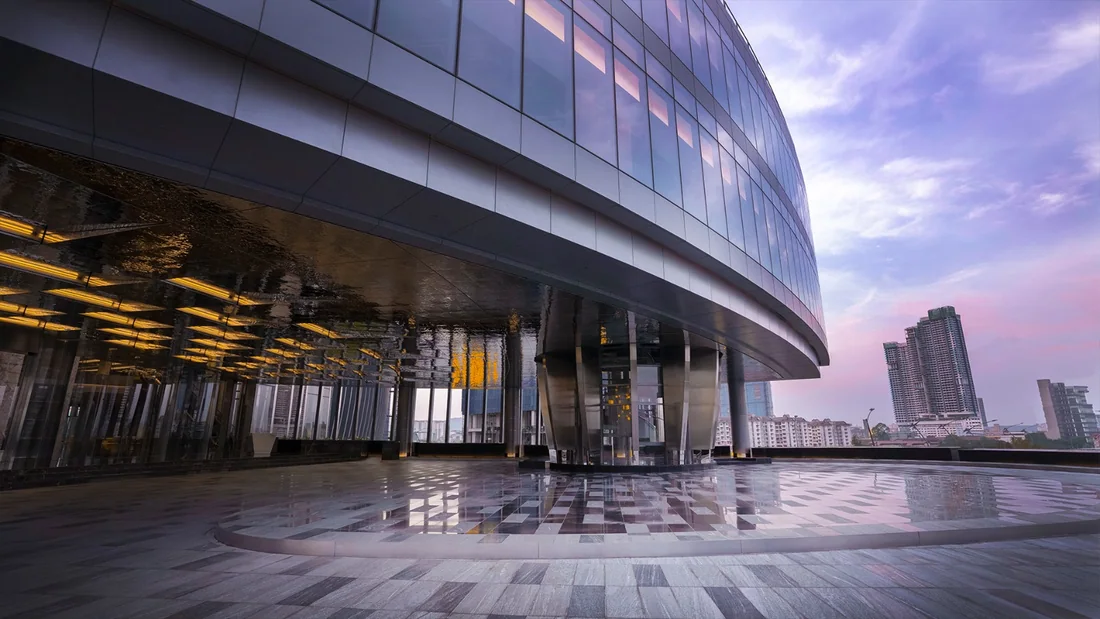
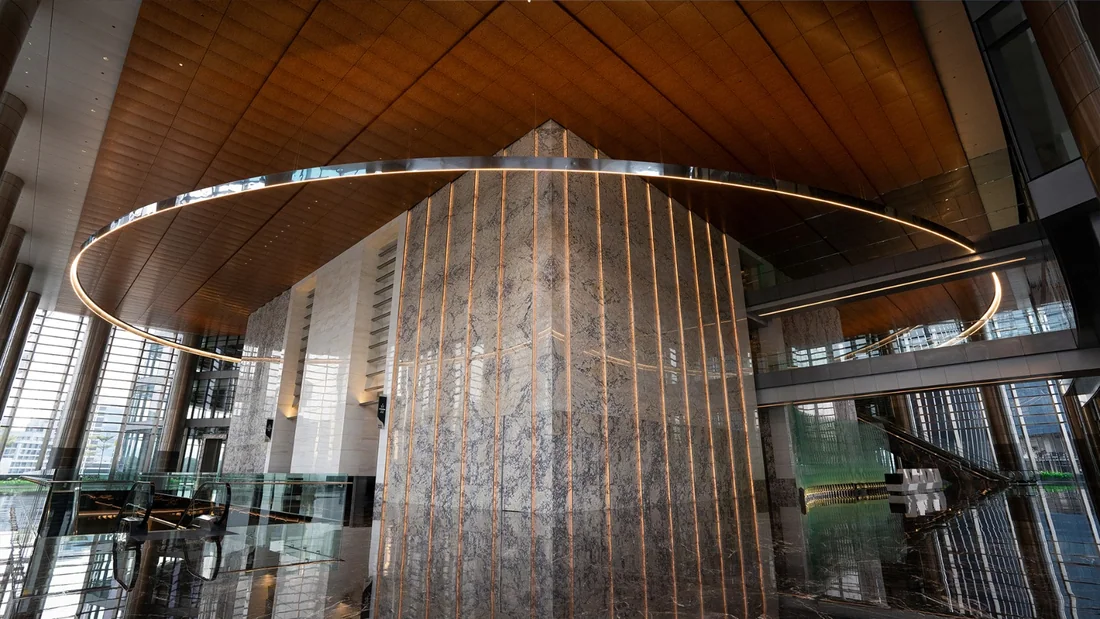
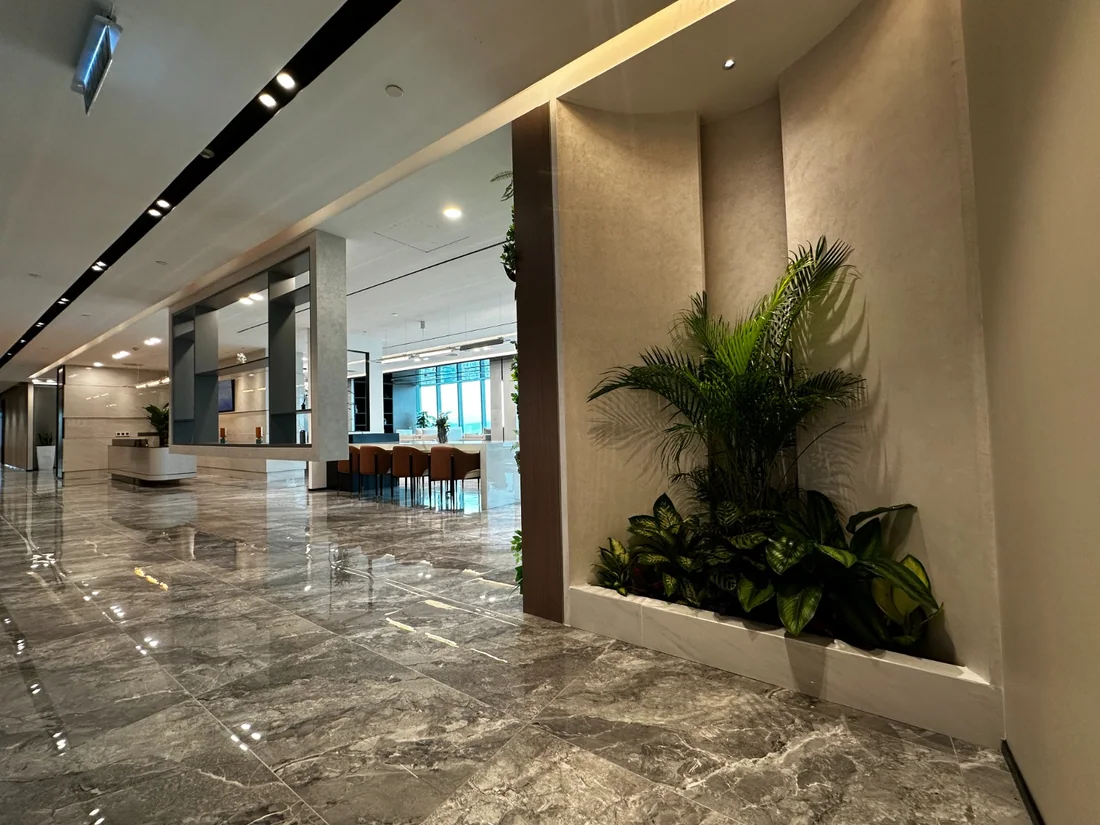
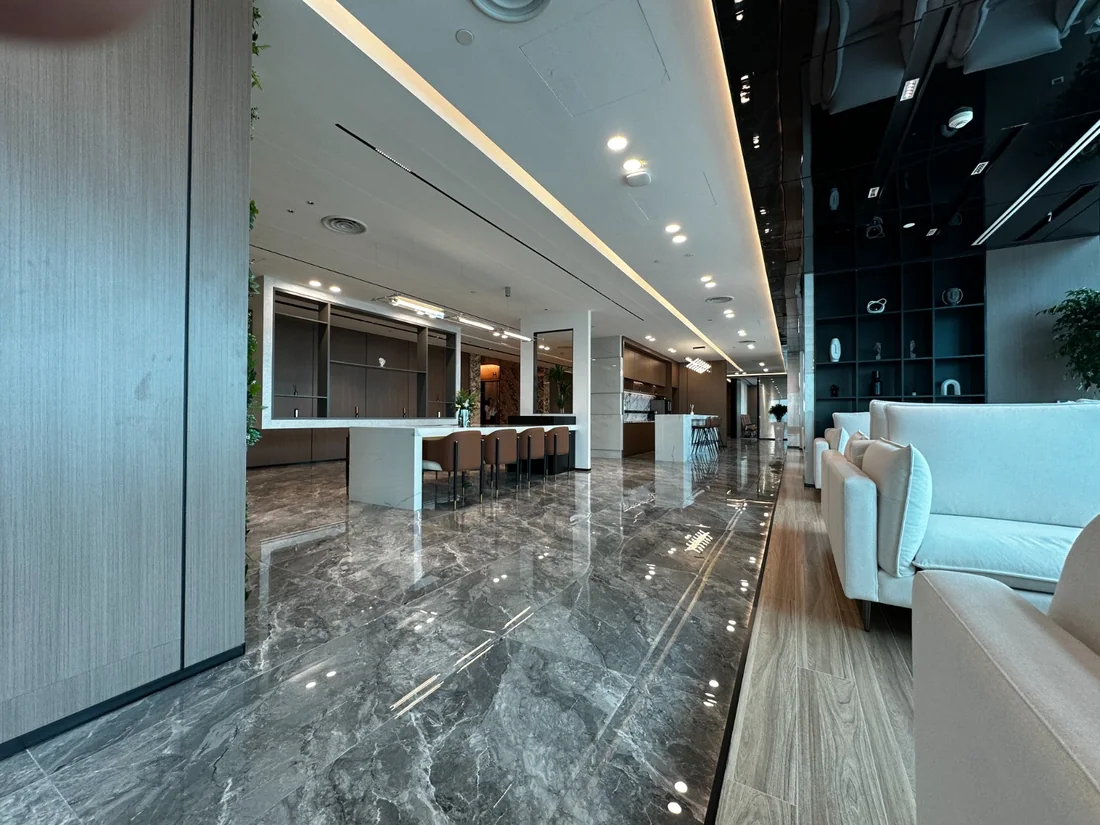
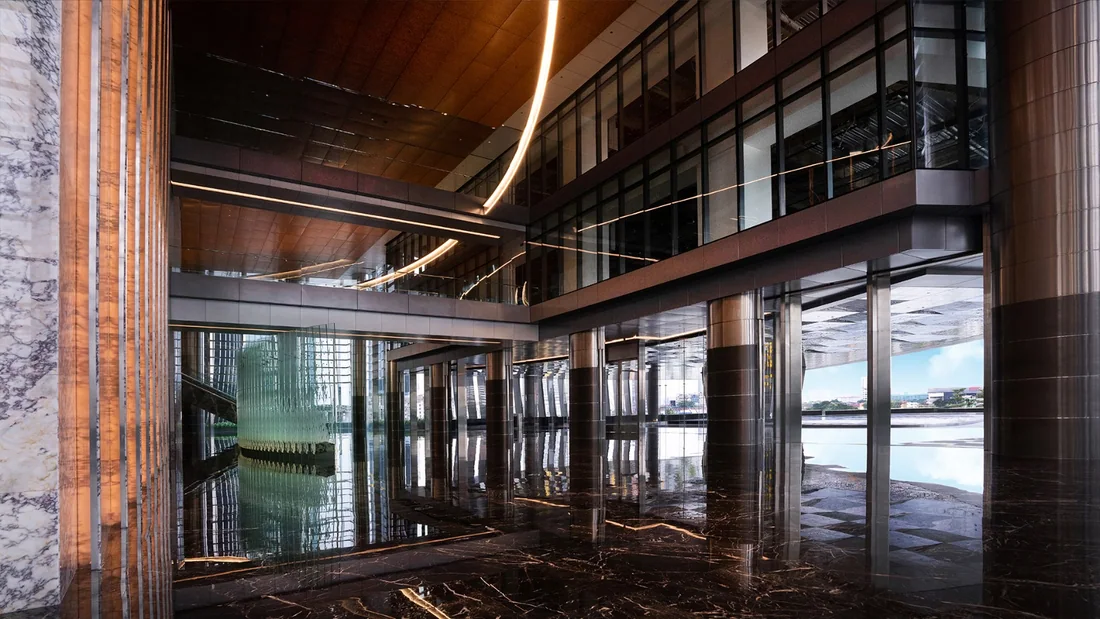
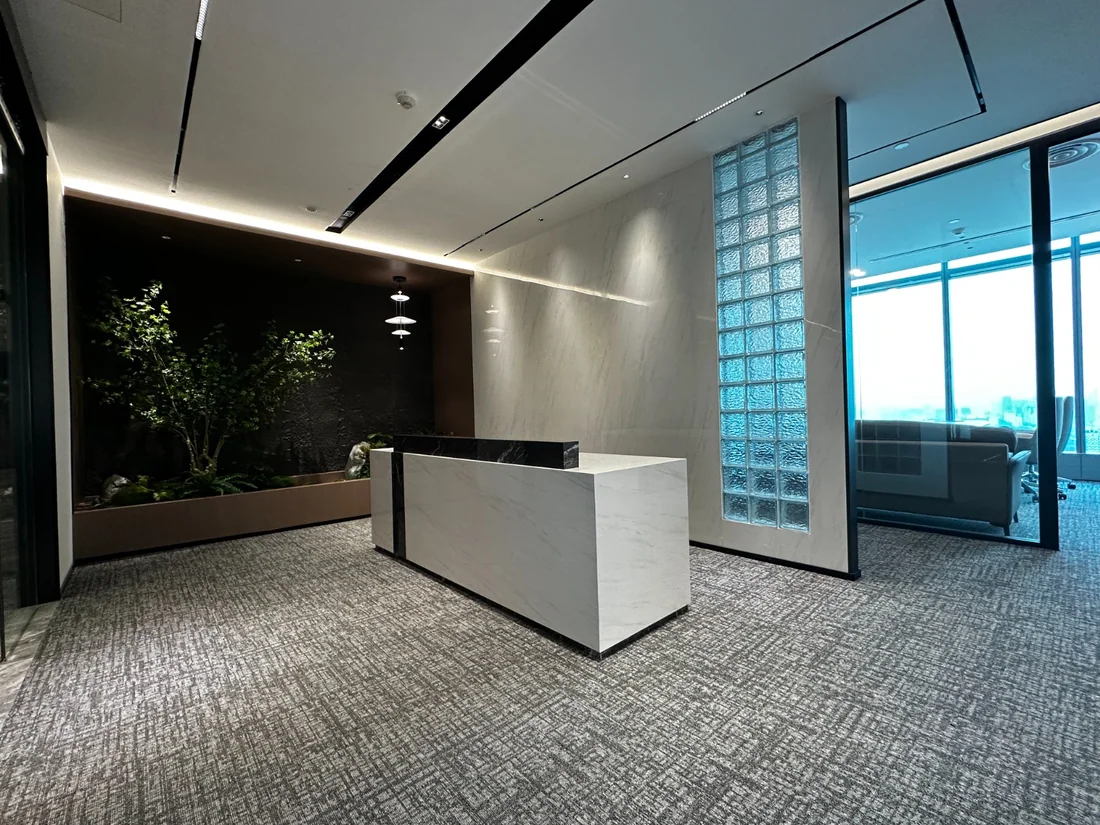
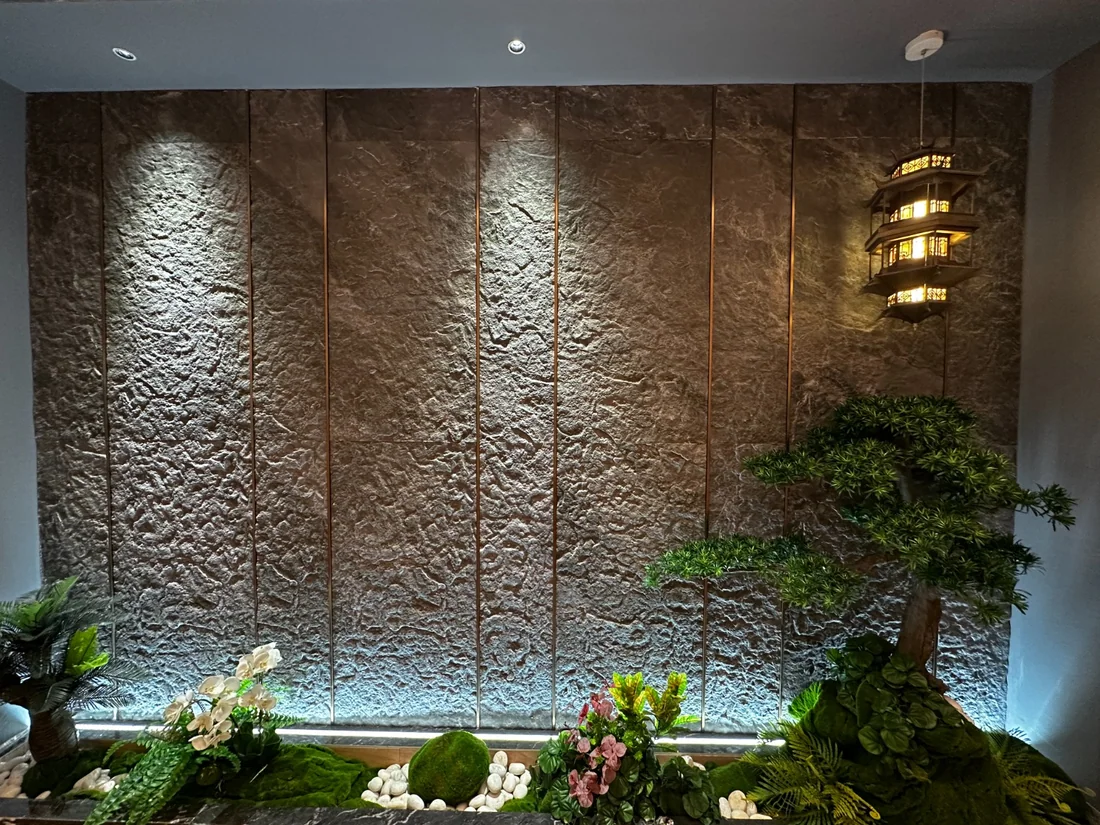
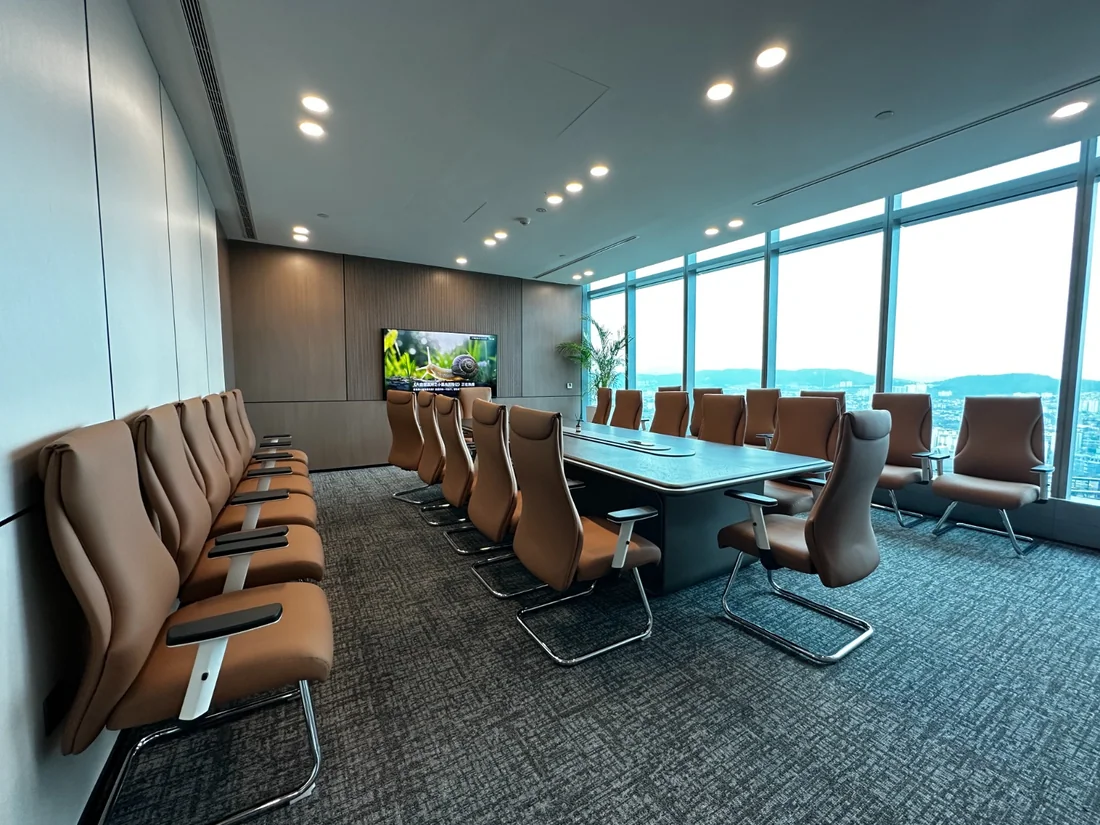
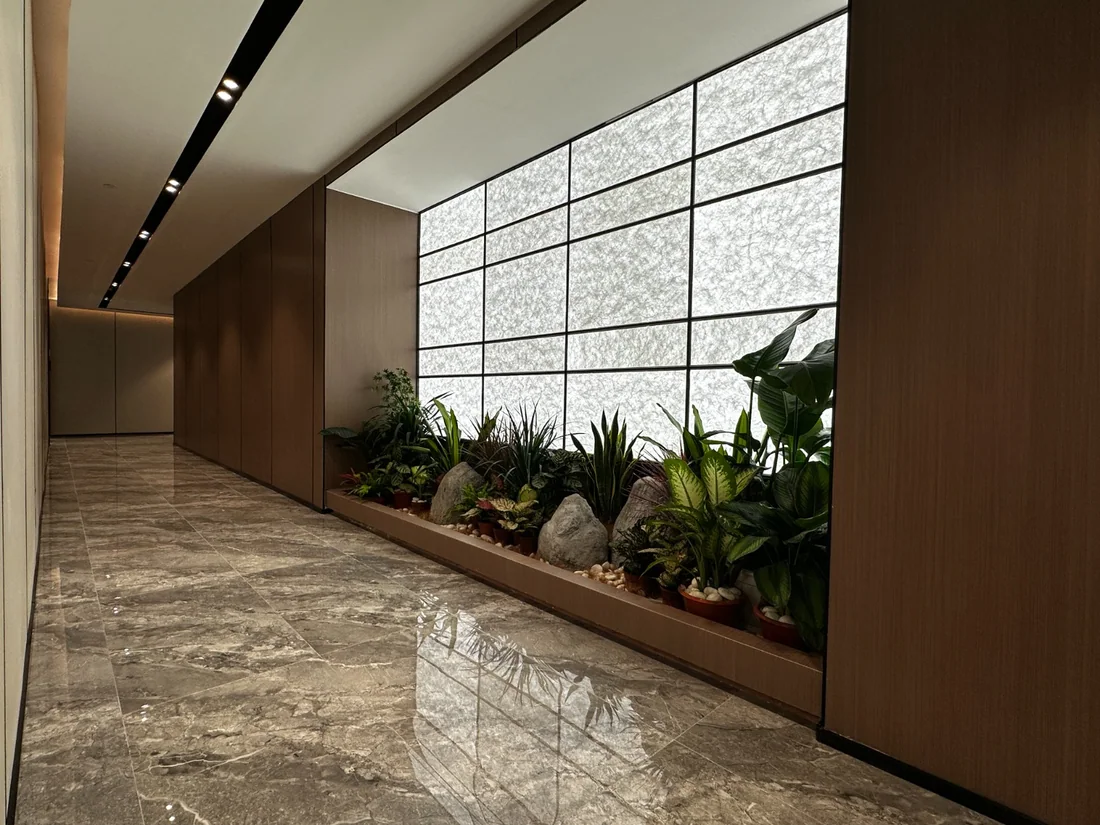
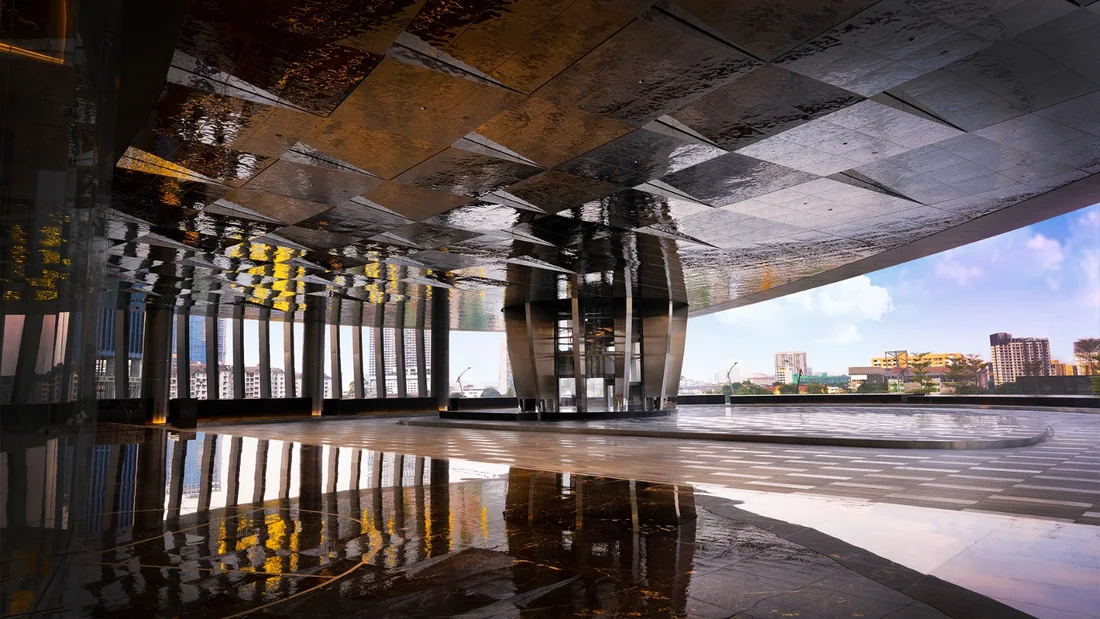
Note on this article. It explains, in general terms and as at 23 October 2026, how the MM2H purchase obligation sits alongside the ordinary rules on foreign ownership of property in Peninsular Malaysia. The tier figures, the state minimum prices, the section 433B reference and the stamp duty position are all reported from the commercial sources named above rather than read off the official portal or the statute, and are given so that you can look them up rather than rely on them. The official guidelines publish their tier table as images, which I could not read, and I have deliberately not reproduced a tier table here because tables outlive their accuracy. This programme has been restructured more than once and the figures move. Sabah and Sarawak operate their own land and immigration regimes. The photographs on this page are supplied marketing images of commercial interiors in Kuala Lumpur, given to me by a third party rather than taken by me, and every caption says so. I have not independently verified which building they show, so no building is named and none should be inferred. They were checked at full resolution and selected so that no business name, signage, person or vehicle is legible in any of them. The diagrams are my own. I am not a solicitor, a licensed immigration agent or a tax adviser, and nothing on this page is legal, immigration or tax advice.